Pyrus communis
European Pear
Master-grade carving and cabinet wood with a fine even texture. Slab-size pieces are rare and prized when they appear.
- Imkabbar u maħsud fl-Ewropa.
- Grupp botaniku. L-injam artab ġej mill-koniferi; l-injam iebes minn siġar bil-weraq wiesa’.
- Il-familja botanika li tappartjeni għaliha l-ispeċi.
Irċievi avviż meta tasalSpeċi ta’ referenza. Bħalissa ebda biċċa fl-istokk.
Huwa tajjeb għall-proġett tiegħek?
Tajjeb ħafna għal
- Heirloom carving and sculpture
- Fine cabinetry and case pieces
- Marquetry and inlay
- Jewellery boxes and instrument cases
- Small statement tables and side tables
- Turned bowls and treen
Ebda European Pear fil-ħarġa attwali
Speċijiet simili fl-istokk
Bħalissa m’hemmx European Pear. Dawn l-ispeċijiet jgħoddu għall-istess proġetti u għandhom biċċiet disponibbli.


Irċievi avviż dwar European Pear
Nibagħtulek email meta jaslu fallakki friski ta’ European Pear għand KORENA. Kull biċċa hija unika, għalhekk avviż bikri jgħin.
Dehra tal-injam
Kif jidher
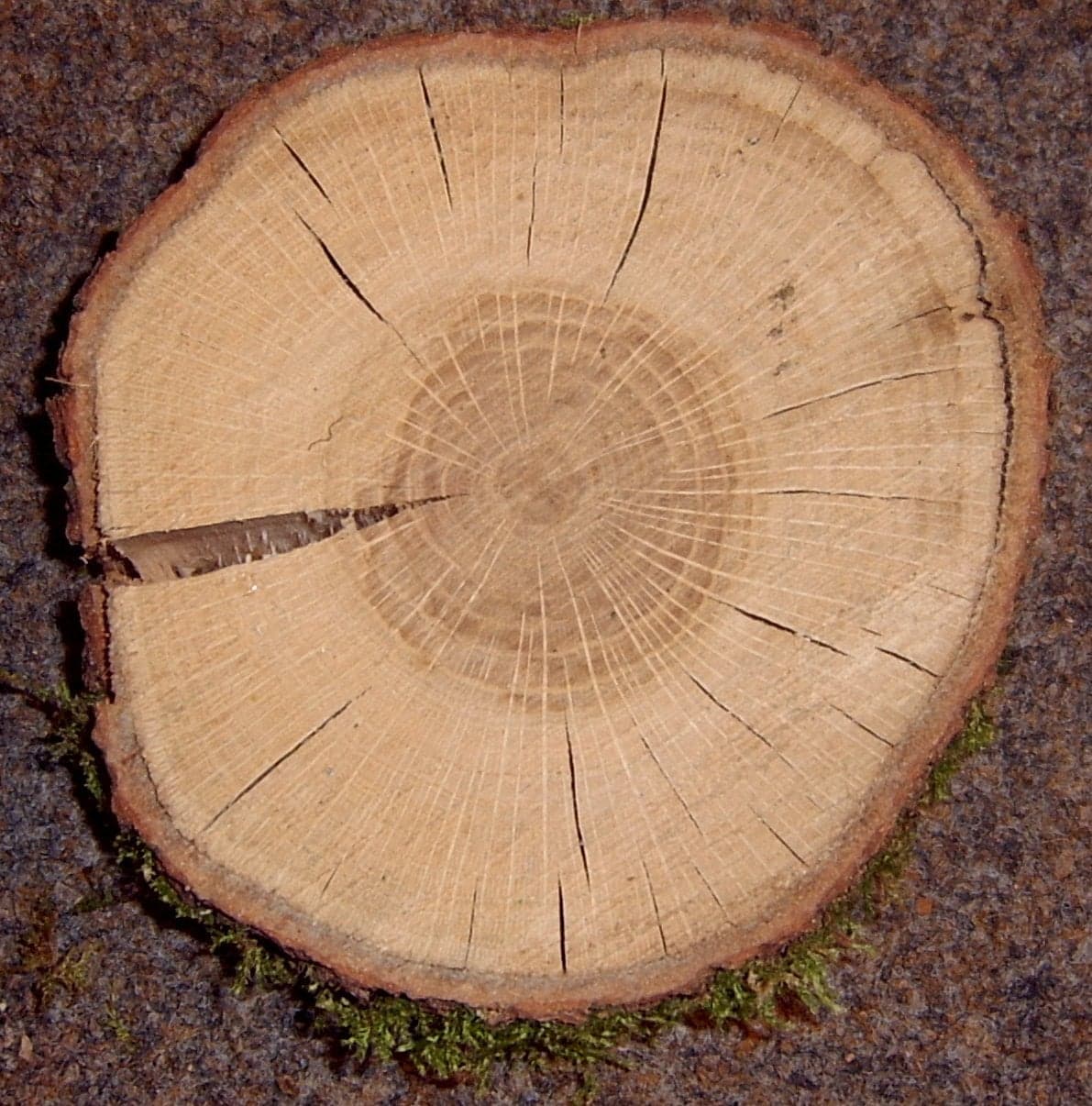
Pale pinkish-tan to warm salmon, deepening to a soft russet with age and light. Texture is dense, even, and almost poreless under the hand. Figure is quiet, gentle ribbon and the occasional fine fleck, which is exactly why carvers and marquetry workers prize it. The grain doesn't fight you, and detail holds crisply.
- Pale pinkish-tan when fresh off the saw
- Warm salmon to soft russet with age
- Steamed pear takes a uniform pinkish hue
- Stains evenly to deep black for ebonised work
- Subtle ribbon figure; rarely dramatic
- Mild UV warming, no harsh colour shift
- Very fine even texture; subtle figure.
Kif taħdem bih
Kif taħdmu
Carves, turns, and planes superbly, this is a benchmark wood for fine work. Cuts cleanly across the grain without tearing, holds knife-edge detail, and turns to crisp profiles. Sands to a near-polished surface straight off the tool. Glues and screws well. Steam bending is moderate. The low stiffness helps it bend, but it can compress unevenly, so test on offcuts.
Finitura
Sands to a glass-smooth surface, one of the cleanest finishes you can pull off any European hardwood. Takes oil, wax, and shellac evenly with no blotching. Steaming produces the uniform pinkish tone historically used to imitate ebony when stained black (the piano-key trick). For natural finishes, hard-wax oil holds the warm tone; lacquer can flatten it. Expect mild warming in UV.
Tnixxif
Honest tradeoff: tangential shrinkage is high (10.5–12%) against modest radial movement, so drying rate matters. Pear that's rushed will check, cup, and case-harden. Air-dry slowly under weight, then finish in a kiln on a gentle schedule. Once stable, it sits well indoors. Quartersawn or rift-sawn stock is the safer cut for wide panels.
Kemm se jiċċaqlaq?
L-injam jintefaħ u jiċkien tul il-wisa’ hekk kif l-arja ssir aktar jew inqas umda. Stima l-moviment staġjonali ta’ wiċċ ta’ European Pear qabel tiddisinja t-twaħħil.
Moviment staġjonali mistenni
madwar 12.9 mm
Kbir. Uża buttuni jew brackets b’fetħiet, ħalli spazju fit-truf ta’ kull breadboard u ħalli l-fallakka takklimatizza qabel l-immuntar.
Mudell ta’ tnaqqis lineari: wisa’ × (tnaqqis ÷ 28 % saturazzjoni tal-fibra) × bidla staġjonali fl-umdità. Juża tnaqqis tanġenzjali ta’ 11.25 % għal European Pear. Stima għall-ippjanar, mhux garanzija.
Kemm jiswa
Sigurtà u provvista
- Imkabbar u maħsud fl-Ewropa.
- Stat fil-Lista l-Ħamra tal-IUCN: il-valutazzjoni globali tal-konservazzjoni għal din l-ispeċi.
Food-contact safe, pear has a long tradition as kitchen utensil and treen wood. Not a commonly reported dust sensitiser. Standard shop dust extraction is enough.
Aqra l-gwida sħiħaNoti dettaljati dwar id-disinn tal-vina, il-bidla fil-kulur, ix-xogħol u l-istabbiltà.
What European Pear actually is#
Pyrus communis is the fine detail wood of Europe. Its texture is exceptionally close, even and dense, with essentially no visible grain direction, and at 7,420 N Janka it is one of the hardest species in this catalogue.
That pairing is unusual. Most woods that hold fine detail are soft, like lime. Most woods that are hard have pronounced grain that fights the tool, like oak. Pear is both hard and directionless, so carved detail is crisp and then survives being handled.
It is the traditional wood for woodcut printing blocks, recorders and wind instrument parts, drawing instruments, rulers, set squares and fine inlay, and all of those uses depend on the same property.
The orchard problem#
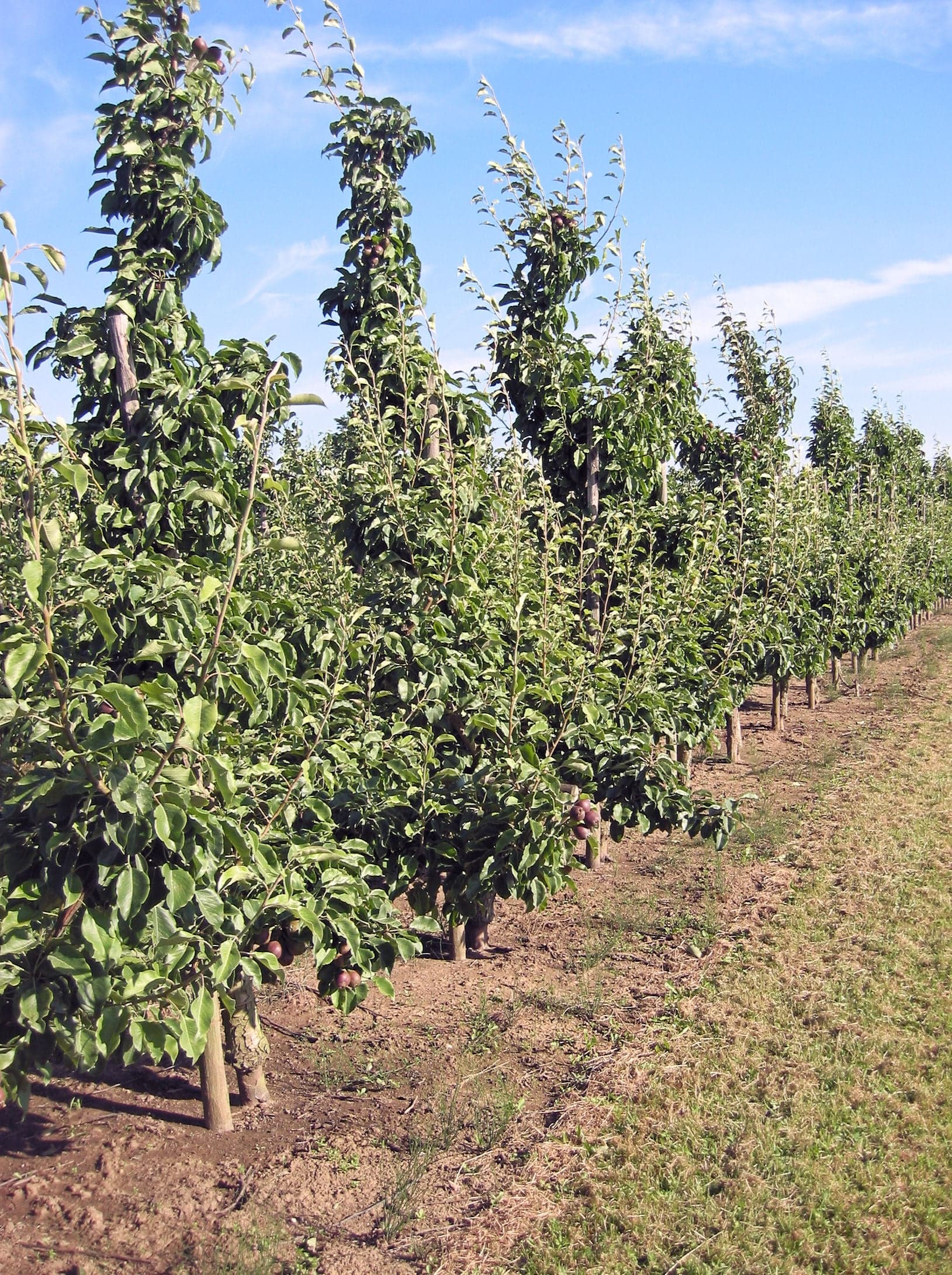
Pear is a fruit tree. It is grown for pears, and it reaches the timber market when an orchard tree comes to the end of its productive life.
The consequences are structural. Trunks are short and often irregular. Diameters are modest. Clean wide boards are genuinely scarce, and slab sized material is uncommon enough that finding it is the main constraint rather than affording it.
Expect narrow widths, short lengths, and a good deal of character.
Steamed and unsteamed
Mistoqsijiet tax-xerrejja
Mistoqsijiet tax-xerrejja
Why is pear so highly regarded for carving and instruments?
Its texture is exceptionally fine, even and dense, with essentially no visible grain direction, so it cuts equally well in any direction and holds very crisp detail. At 7,420 N Janka it is also hard, which means carved detail survives handling. That combination of fine texture and hardness is rare and is why pear has been the traditional wood for woodcuts, recorders, rulers and instrument parts.
What is steamed pear?
Pear that has been steamed during drying, which turns the pale pinkish wood a warm rose brown and evens the colour. It is the standard European commercial treatment and the colour most people associate with the species. Unsteamed pear is paler and more variable. The change is permanent.
Why are pear boards so small?
It is an orchard tree, grown for fruit and felled at the end of its productive life rather than for timber. Trunks are short, often irregular, and rarely large. Wide clean pear is genuinely scarce and priced accordingly, and slab sized material is uncommon.
How much does it move?
Proprjetajiet mekkaniċi
Data teknika
Valuri ta’ referenza ppubblikati. Fejn is-sorsi ma jaqblux tintwera l-firxa, bil-valur tipiku użat għall-iskali ta’ hawn fuq.
| Densità (kg/m³)Massa għal kull metru kubu b’madwar 12 % kontenut ta’ umdità. Injam itqal normalment ikun aktar iebes u b’saħħtu. | 650–740 kg/m³tipiku 700 kg/m³ |
|---|---|
| Ebusija Janka (N)Il-forza meħtieġa biex tagħfas ballun tal-azzar sa nofsu fl-injam. Il-kejl standard tar-reżistenza għat-tgħaffiġ. | 6,800–7,800 Ntipiku 7,420 N |
| MOR: modulu tal-ksur (MPa)Saħħa fil-liwi: it-tagħbija li fiha travu jinkiser. | 75–90 MPa |
| MOE: modulu tal-elastiċità (GPa)Ebusija fil-liwi: kemm jinżel xkaffa jew wiċċ taħt tagħbija. | 7.0–8.5 GPa |
| Tnaqqis radjaliTnaqqis tul iċ-ċrieki tat-tkabbir, minn aħdar sa mnixxef fil-forn. Tavli quartersawn jiċċaqalqu hekk. | 4.0–5.0 % |
| Tnaqqis tanġenzjaliTnaqqis tul iċ-ċrieki tat-tkabbir. Tavli flatsawn u l-biċċa l-kbira tal-fallakki jiċċaqalqu hekk. |