KORENA
InjamFinished piecesProvvistiImħażenĠurnal

Irċievi avviż

Kull fallakka hija unika. Meta tinbiegħ, tkun marret. Nibagħtulek email meta jittellgħu biċċiet ġodda: wasliet friski, speċijiet ġodda u tavli li jaqblu ma’ deskrizzjoni ta’ proġett.

Ftit emails fix-xahar. Ebda spam, tista’ tneħħi l-abbonament meta trid.

KORENA, injam iebes ta’ kwalità għolja

Biċċa waħda kull darba.

Injam iebes ivverifikat ta’ kwalità għolja, mibjugħ biċċa biċċa. Kull fallakka tiġi ritrattata, imkejla u mibgħuta mill-maħżen sieħeb b’passaport tal-injam.

Ħanut

  • Ara l-prodotti
  • Arkivju tal-mibjugħ
  • Segwi l-ordni

Tgħallem

  • Ġurnal
  • Gwidi tal-ispeċi
  • Glossarju
  • Qabbel
  • Awturi

Għajnuna

  • Dwarna
  • Kif jaħdem
  • Sir maħżen sieħeb
  • Sib fallakka
  • Appoġġ
  • Mudelli ta’ dokumenti
  • Stampa

Ixtri

  • Kundizzjonijiet tal-bejgħ
  • Dritt ta’ rtirar
  • Ritorn u garanzija legali
  • Trasport u kunsinna

Fiduċja

  • Politika tal-privatezza
  • Politika dwar il-cookies
  • Provenjenza tal-injam u EUDR
  • Aċċessibbiltà

Avviż legali

  • Avviż legali / Informazzjoni legali
  • Użu aċċettabbli
  • Proprjetà intellettwali u kontenut

© 2026 KORENA. Id-drittijiet kollha riżervati.

Imħaddma minn Martial Labs Ltd. (BG, EIK 207453941). KORENA huwa isem kummerċjali ta’ Martial Labs Ltd.

Nirrispettaw il-privatezza tiegħek

Nużaw cookies essenzjali biex is-sit jaħdem. Bil-permess tiegħek nużaw ukoll cookies għall-analiżi, kontenut personalizzat u reklami. Tista’ tibdel fehmtek fi kwalunkwe ħin fil-paġna tal-preferenzi tal-kunsens. Ara l-politika dwar il-cookies u l-politika tal-privatezza tagħna.

  1. Paġna ewlenija
  2. /
  3. Speċijiet
  4. /
  5. European Yew

Taxus baccata

European Yew

Rare, culturally significant, and exceptionally durable. Dramatic orange-red heartwood against cream sapwood, and the wood of the English longbow.

  • Imkabbar u maħsud fl-Ewropa.
  • Grupp botaniku. L-injam artab ġej mill-koniferi; l-injam iebes minn siġar bil-weraq wiesa’.
  • Il-familja botanika li tappartjeni għaliha l-ispeċi.
Irċievi avviż meta tasalSpeċi ta’ referenza. Bħalissa ebda biċċa fl-istokk.
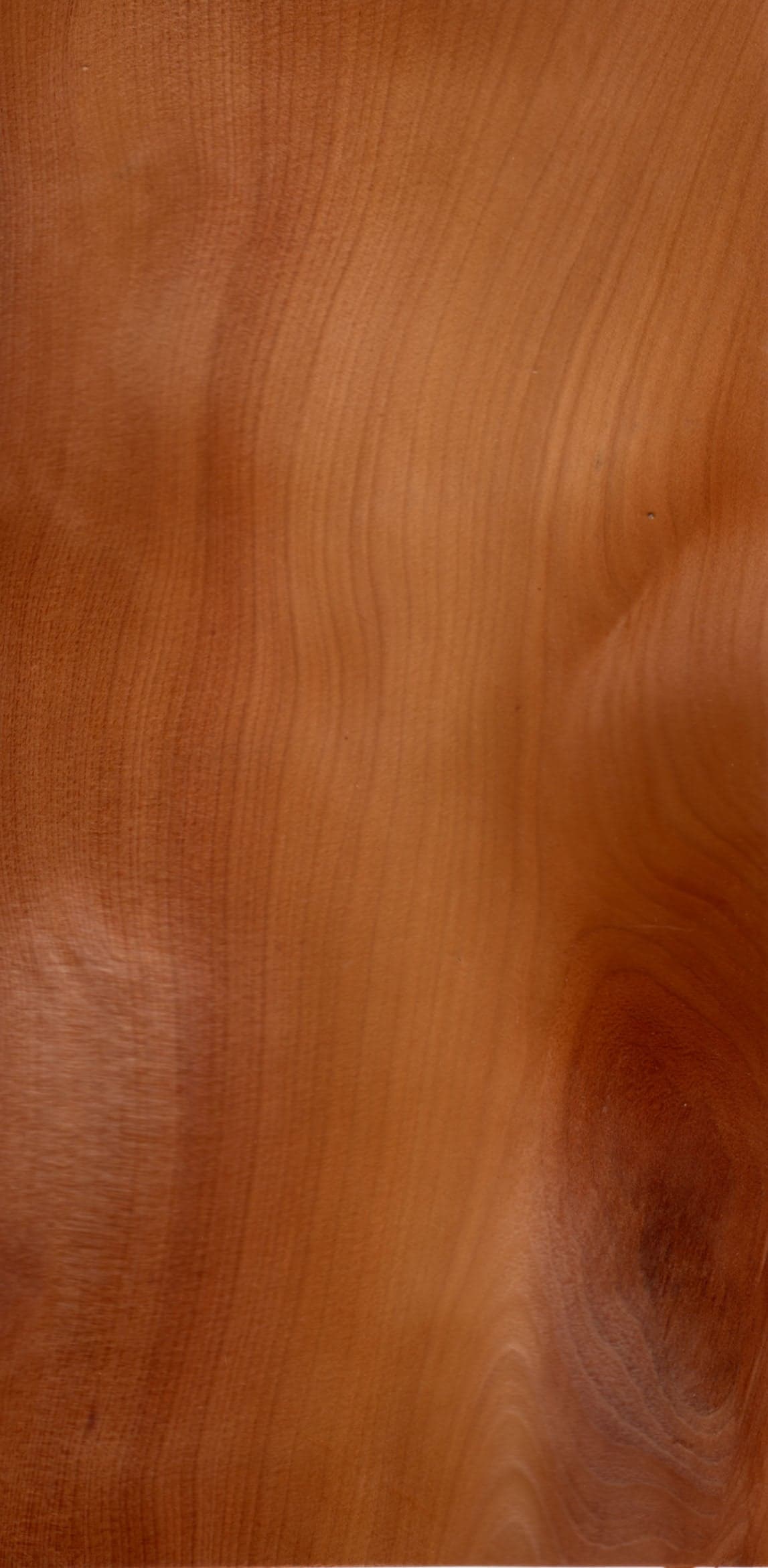
Vina ta’ European Yew
  • Adattament għall-proġett
  • Fl-istokk
  • Dehra
  • Kif taħdimha
  • Moviment
  • Prezz
  • Sigurtà u provvista
  • Mistoqsijiet
  • Data teknika

Huwa tajjeb għall-proġett tiegħek?

Tajjeb ħafna għal

  • Turned bowls, vessels, and spindles (a traditional turner's wood)
  • Longbows and traditional archery stock
  • Decorative wall panels and feature surfaces
  • Cabinet accents, drawer fronts, and inlay
  • Small statement furniture, side tables, stools, lamp bases
  • Carved and sculptural pieces

Ebda European Yew fil-ħarġa attwali

Speċijiet simili fl-istokk

Bħalissa m’hemmx European Yew. Dawn l-ispeċijiet jgħoddu għall-istess proġetti u għandhom biċċiet disponibbli.
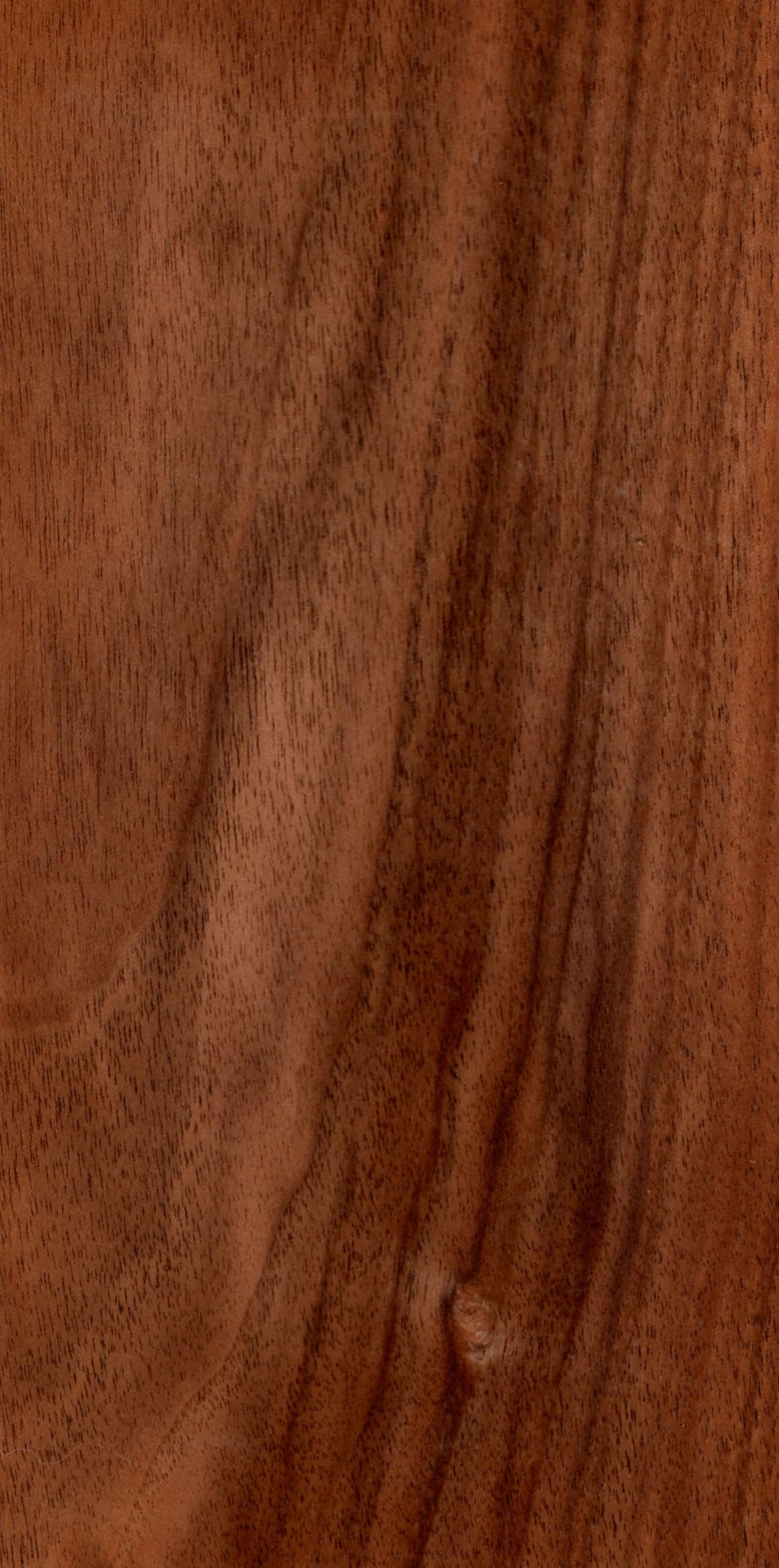
  • Vina ta’ European Walnut

    European Walnut

    Juglans regia

    9 biċċiet

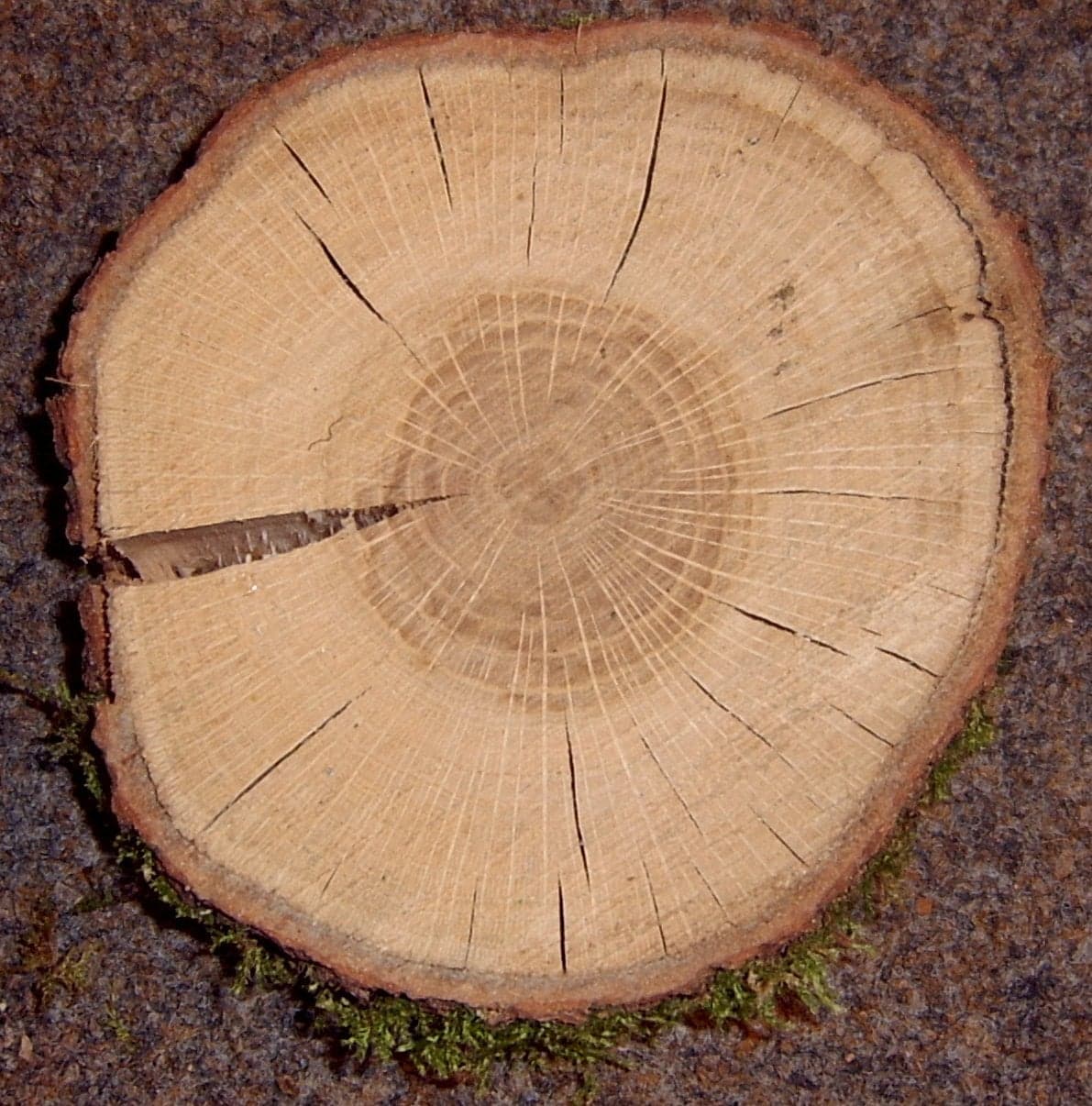
  • Vina ta’ European Oak

    European Oak

    Quercus robur

    6 biċċiet

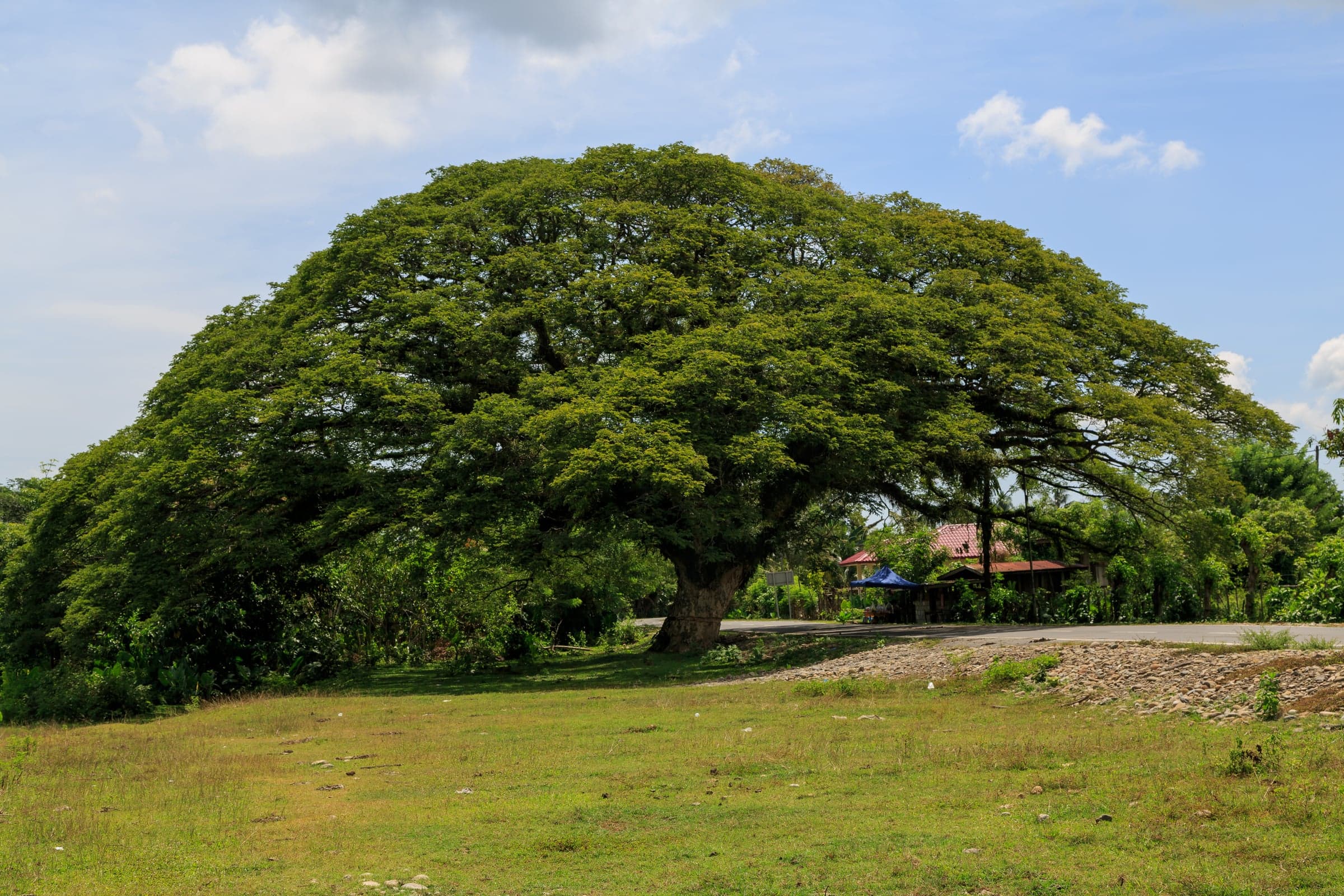
  • Vina ta’ Saman

    Saman

    Samanea saman

    4 biċċiet

Irċievi avviż dwar European Yew

Nibagħtulek email meta jaslu fallakki friski ta’ European Yew għand KORENA. Kull biċċa hija unika, għalhekk avviż bikri jgħin.

Ftit emails fix-xahar. Ebda spam, tista’ tneħħi l-abbonament meta trid.

Dehra tal-injam

Kif jidher

Sharp two-tone contrast: warm orange-red to honey-brown heartwood beside pale cream sapwood. Grain is generally straight but often irregular around frequent pin knots and burl figure. Texture is fine and even, with a natural lustre that deepens under oil. Boards are typically narrow and full of incident, sweeping sapwood lines, knot clusters, and occasional burl pockets are the norm, not the exception.

  • Heartwood: warm orange-red to honey-brown, ambering over time
  • Sapwood: pale cream to near-white, sharply defined against the heart
  • Frequent pin knots and burl figure, often clustered
  • Natural lustre that deepens under oil and wax
  • Strong two-tone contrast that softens but never disappears with age
  • Generally straight, often irregular; fine even texture.

Kif taħdem bih

Kif taħdmu

Turns superbly, one of the great turning woods, prized for centuries. Saws and sands cleanly. Planing is the catch: interlocked grain around knots tears easily, so take light passes with a sharp, high-angle iron or scrape. Holds detail well in carving. Glues and screws without fuss. Steam-bends well, which is why it became the longbow wood.

Finitura

Takes oil and wax beautifully, a thin oil coat ignites the orange-red heartwood without muddying the cream sapwood. Sands to a near-polished surface straight off the belt. Watch for resin pockets that can bleed under film finishes; seal first with shellac if you plan to lacquer. The colour darkens and ambers over time; UV-stable topcoats slow the shift but won't stop it.

Tnixxif

Dries slowly but with very little movement once stable, shrinkage is among the lowest of any European species. End-checks and surface checks are the main risks during initial drying; slabs from fallen trees often arrive with existing checks that should be stabilised before milling final thickness.

Kemm se jiċċaqlaq?

L-injam jintefaħ u jiċkien tul il-wisa’ hekk kif l-arja ssir aktar jew inqas umda. Stima l-moviment staġjonali ta’ wiċċ ta’ European Yew qabel tiddisinja t-twaħħil.

Qatgħa
Fejn se tintuża

Moviment staġjonali mistenni

madwar 6.1 mm

Waħħal il-wiċċ b’buttuni jew brackets b’fetħiet, mhux b’kolla jew viti ssikkati.

Mudell ta’ tnaqqis lineari: wisa’ × (tnaqqis ÷ 28 % saturazzjoni tal-fibra) × bidla staġjonali fl-umdità. Juża tnaqqis tanġenzjali ta’ 5.3 % għal European Yew. Stima għall-ippjanar, mhux garanzija.

Kemm jiswa

Sigurtà u provvista

  • Imkabbar u maħsud fl-Ewropa.
  • Stat fil-Lista l-Ħamra tal-IUCN: il-valutazzjoni globali tal-konservazzjoni għal din l-ispeċi.
  • Yew is toxic. Taxine alkaloids are present throughout the tree, needles, bark, and seeds are dangerous, and the wood itself is a documented sensitiser. Heavy dust exposure has been linked to cardiac and CNS effects. Wear a fitted respirator, run extraction, and keep offcuts away from animals and children. NOT food-safe. Do not use for cutting boards, chopping blocks, utensils, serving boards, or any surface in contact with food or drink. Treat it as a decorative and structural wood only.

Aqra l-gwida sħiħaNoti dettaljati dwar id-disinn tal-vina, il-bidla fil-kulur, ix-xogħol u l-istabbiltà.+

What European Yew actually is#

Taxus baccata is a conifer that behaves like nothing else. At 6,760 N Janka it is harder than oak, ash or hard maple. At decay class 1 it is the most durable species in this catalogue alongside robinia. And it carries a colour that no other European timber approaches: vivid orange-red to purple-brown heartwood against narrow cream sapwood.

KORENA lists it as a hardwood on the basis of how it works and performs, though botanically it is a softwood. Treating it as a softwood at the bench would give you entirely the wrong expectations.

It is also poisonous, which governs a good deal of how it should be handled.

The toxicity, which is not a footnote#

Almost every part of the yew tree contains taxine alkaloids, which are cardiotoxic. The dust is a documented irritant and sensitiser, and the wood is recorded here as not food safe.

The practical rules are simple and worth following without exception. Run extraction and wear a mask when machining. Never use yew for chopping boards, food contact surfaces, drinking vessels or utensils. Keep shavings and offcuts away from animals, for which yew ingestion is frequently fatal, and never put them in bedding, mulch or compost.

None of this makes yew unsafe to own or to use in furniture. Finished, sealed yew is not a hazard. The risk is in the dust and the offcuts.

Mistoqsijiet tax-xerrejja

Mistoqsijiet tax-xerrejja

Is yew poisonous to work with?

+

Yes, and this needs taking seriously. Almost every part of the tree contains taxine alkaloids, which are cardiotoxic. The dust is a documented irritant and sensitiser, and yew is recorded here as not food safe. Run extraction, wear a mask, never use it for food contact or drinking vessels, and keep shavings away from animals, for which yew is often fatal.

Why is yew so expensive?

+

Slow growth, small sizes and high wastage. Yew grows very slowly, trunks are often hollow or fluted rather than round, and the proportion of clean usable timber from a log is low. Add high demand from turners and furniture makers for its colour and figure, and prices stay well above other European species.

How durable is it really?

+

Decay class 1, very durable, the highest rating in this catalogue alongside robinia. Yew heartwood is exceptionally resistant to rot and insect attack, which is why yew fence posts and structures survive for generations and why it was used for water pipes and boat parts.

Is it a softwood or a hardwood?

+

Botanically yew is a conifer and therefore a softwood, but it behaves nothing like one. At 6,760 N Janka it is harder than oak, ash or maple, and it is denser and more durable than most hardwoods here. KORENA classifies it as hardwood in the catalogue on the basis of how it works and performs rather than its botany.

Proprjetajiet mekkaniċi

Data teknika

Valuri ta’ referenza ppubblikati. Fejn is-sorsi ma jaqblux tintwera l-firxa, bil-valur tipiku użat għall-iskali ta’ hawn fuq.

Densità (kg/m³)Massa għal kull metru kubu b’madwar 12 % kontenut ta’ umdità. Injam itqal normalment ikun aktar iebes u b’saħħtu.580–720 kg/m³tipiku 675 kg/m³
Ebusija Janka (N)Il-forza meħtieġa biex tagħfas ballun tal-azzar sa nofsu fl-injam. Il-kejl standard tar-reżistenza għat-tgħaffiġ.6,300–7,100 Ntipiku 6,760 N
MOR: modulu tal-ksur (MPa)Saħħa fil-liwi: it-tagħbija li fiha travu jinkiser.90–115 MPa
MOE: modulu tal-elastiċità (GPa)Ebusija fil-liwi: kemm jinżel xkaffa jew wiċċ taħt tagħbija.9.5–11.0 GPa
Tnaqqis radjaliTnaqqis tul iċ-ċrieki tat-tkabbir, minn aħdar sa mnixxef fil-forn. Tavli quartersawn jiċċaqalqu hekk.3.0–4.0 %
Tnaqqis tanġenzjaliTnaqqis tul iċ-ċrieki tat-tkabbir. Tavli flatsawn u l-biċċa l-kbira tal-fallakki jiċċaqalqu hekk.

Achim Raschka (talk), via Wikimedia Commons

  • Veneers and book-matched panels
  • Vantaġġi

    • Durabbli barraKlassi EN 350 1 minn 5: jirreżisti t-tmermir barra mingħajr trattament.
    • Stabbli ħafnaMoviment staġjonali baxx. Tajjeb għal uċuħ wesgħin u ġonot preċiżi.

    Native across Europe, but standing yew is scarce. Ancient churchyard and estate yews are protected; commercial slabs come almost entirely from felled or fallen estate trees. Expect small, character-heavy boards rather than long clean stock.

  • IUCN Least Concern and not CITES-listed, but slow-grown and culturally protected across much of Europe. Most marketplace yew is salvage from estate fellings, storm-fall, or managed thinning of younger plantation stock. Ask about provenance, a clean DDS matters more here than with faster-growing species.

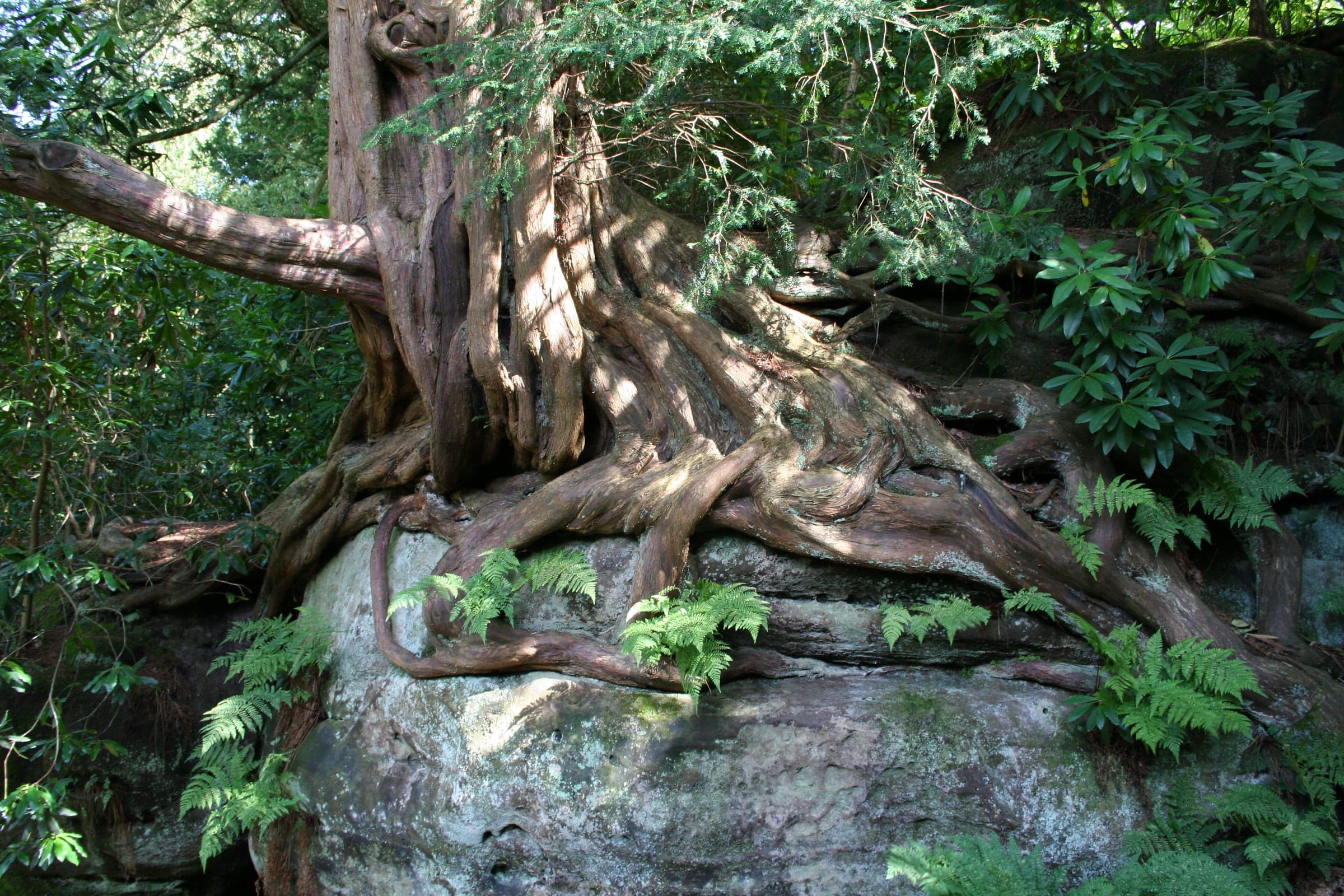
  • Siġra ta’ European Yew

    Marco Schmidt [1], via Wikimedia Commons

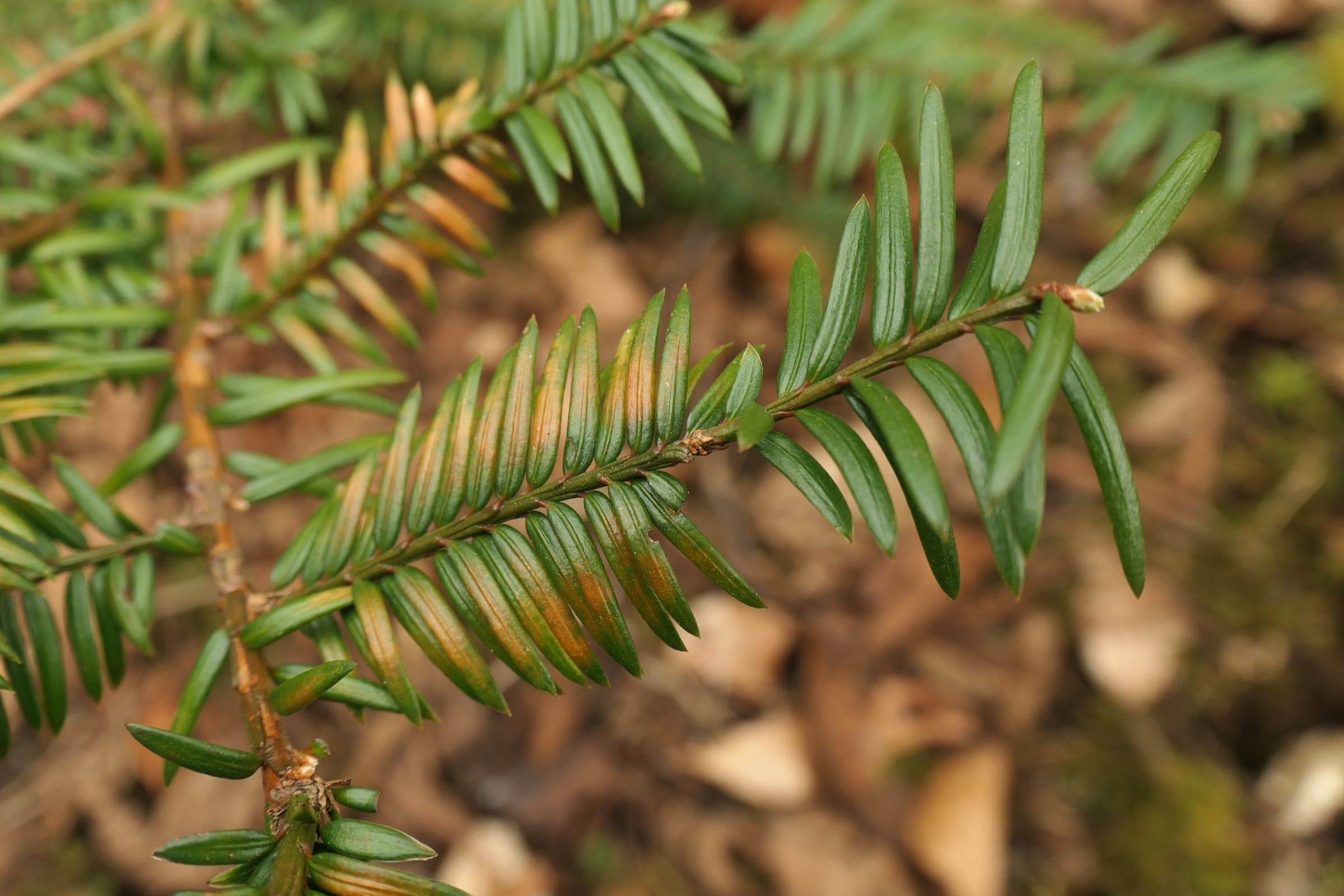
    European Yew: Werqa
    Werqa
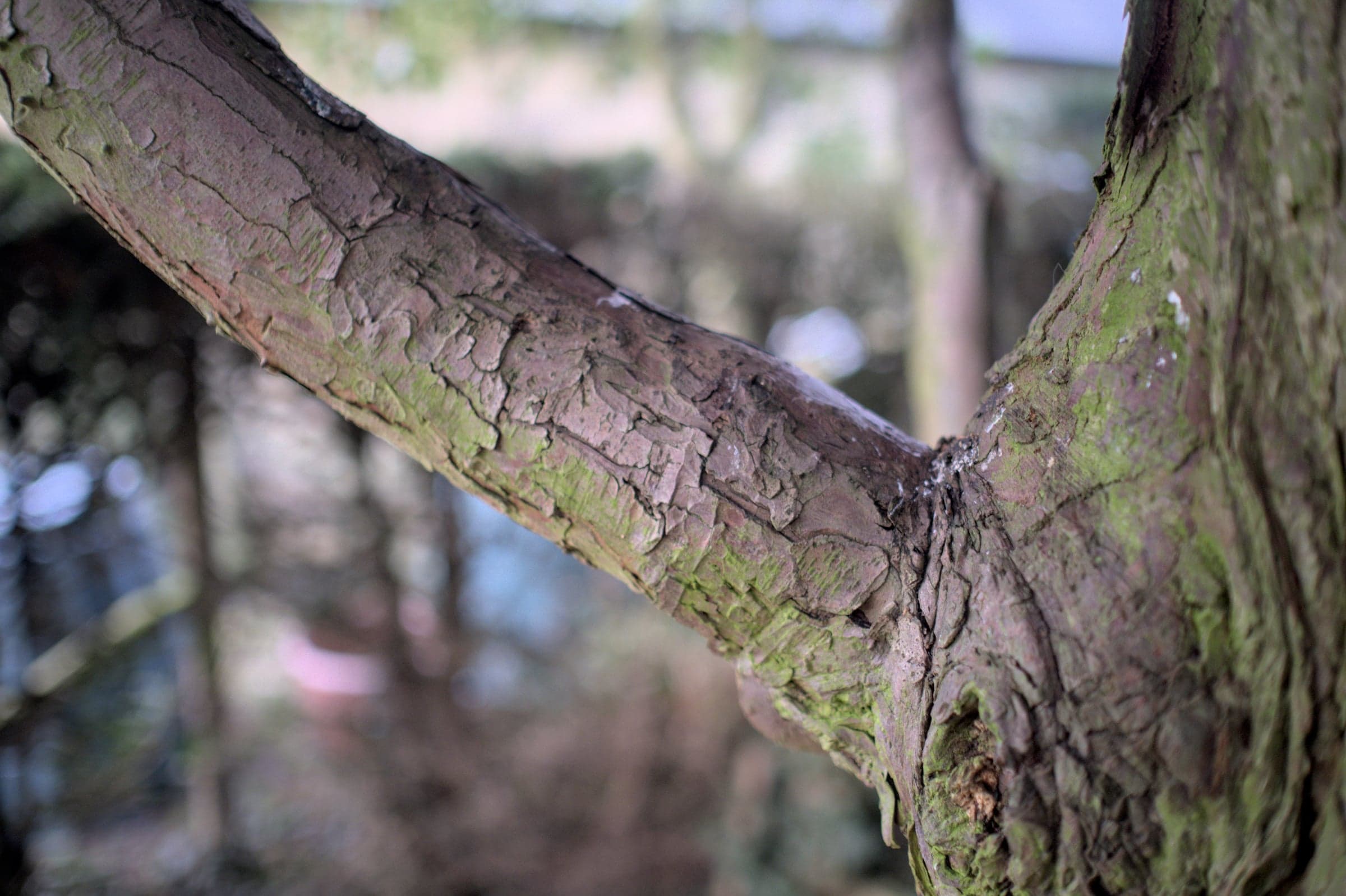
    European Yew: Qoxra
    Qoxra

    Reading a yew slab#

    The contrast is the point. Heartwood runs orange-red through to purple-brown, sometimes almost violet when freshly cut, against sapwood that is nearly white. On a live edge slab that pale band is usually left in place, and it is the defining feature.

    Yew is rarely plain. Expect frequent knots, wavy and interlocked grain, and pippy or burr sections. Trunks are often hollow or deeply fluted rather than round, so boards are irregular and wide clean lengths are genuinely scarce.

    That irregularity is most of the appeal and most of the price.

    At the bench#

    Yew works well for its hardness but the grain will fight you. Knots are frequent and hard, wavy grain reverses direction, and burr sections tear out readily.

    Light cuts, very sharp tooling, and a scraper or high angle plane for the final surface. On burr and pippy material, hand finishing is normal.

    It turns superbly, which is why yew is a favourite among bowl turners, and it takes a fine polished surface directly from the tool. It glues and finishes well, and oil finishes intensify the orange dramatically.

    The colour deepens and mellows with light exposure toward a richer red brown.

    Stability#

    Volumetric shrinkage of 7.8 percent is the second lowest in this catalogue after Saman, with tangential at 4.8 percent against radial at 3.0 percent. Both the total and the differential are low.

    That means yew is dimensionally very well behaved, which combined with its durability explains why it survives in structures and objects for centuries. Drying is slow given the density and irregular form, but the dried wood is stable.

    Where European Yew is the right answer#

    Turned work above all, plus fine furniture, decorative slabs, veneer and any piece where the colour carries the design. Its durability and stability also suit exterior work where the cost is justified, and it was historically used for gate posts, water pipes and boat parts.

    The longbow association is real: yew's combination of compressive strength in the heartwood and tensile strength in the sapwood is what made the English longbow work, with the two layers doing different jobs.

    It is the wrong answer for food contact, for large matched volumes, and for anyone unwilling to manage the dust properly.

    Sourcing and EUDR#

    Not CITES listed and assessed as Least Concern, though slow growth and small sizes mean supply is limited and much of it comes from garden, churchyard and estate felling rather than forestry. Provenance documentation deserves attention here, and KORENA records the yard and region on every listing.

    The sapwood, and why it stays#

    On almost every species in this catalogue, sapwood is the part you cut off. On yew it is usually the part you keep.

    Yew sapwood is narrow, near white, and sits in sharp contrast against orange-red heartwood. On a turned bowl or a slab edge that pale band is the single most striking feature the wood offers, and removing it removes most of the visual reason for choosing yew.

    It is also structurally interesting. Yew sapwood is elastic and strong in tension while the heartwood is strong in compression, and the English longbow exploited exactly that: the bow was cut so the sapwood formed the back and the heartwood the belly, giving a natural composite that no single layer could match.

    The one caution is durability. The decay class 1 rating applies to the heartwood. Yew sapwood is not durable, so on any exterior piece it is a sacrificial edge rather than a protected one.

    Hollow trunks and what they mean for slabs#

    Mature yew very commonly grows hollow, and old trees are often little more than a shell of living wood around an open centre.

    For the tree this is normal and not a sign of ill health. For the timber buyer it means yields are low, boards are irregular, and a wide clean yew slab is genuinely rare.

    It also means much yew comes to market in short, wide, irregular pieces rather than long boards, which suits turning, boxes and small slabs better than furniture in long lengths.

    What makes the figure so distinctive?

    +

    The sharp contrast between narrow cream sapwood and vivid orange-red to purple-brown heartwood, combined with frequent knots, wavy grain and pippy or burr sections. Yew is rarely plain. That irregularity is part of the appeal and part of why clean straight lengths are so scarce.

    4.8–5.8 %
    Tnaqqis volumetrikuBidla totali fil-volum minn aħdar sa mnixxef fil-forn. Inqas ifisser aktar stabbli.7.8–8.8 %
    Durabbiltà naturali (EN 350)Standard Ewropew għar-reżistenza naturali għat-tmermir, minn 1 (durabbli ħafna) sa 5 (jitmermer faċilment).Class 1 — Very durable

    Sorsi

    • The Wood Database(aċċessat 2026-05-09)
    • USDA FPL Wood Handbook FPL-GTR-190 (2010)(aċċessat 2026-05-09)
    • Meier, E. — WOOD! Identifying and Using Hundreds of Woods Worldwide (2015)(aċċessat 2026-05-09)

    Daqqa t’għajn

    Il-livelli jużaw faxex fissi għall-ispeċijiet kollha elenkati minn KORENA, għalhekk jitqabblu direttament. Il-valur imkejjel jidher taħt kull wieħed.
    EbusijaReżistenza għat-tgħaffiġ u l-użuIebes

    Ebusija Janka: 6,760 N

    36 % aktar iebes mill-oak Ewropew

    PiżKemm hi tqila fallakka biex terfagħhaTqil

    675 kg/m³

    StabbiltàKemm tiċċaqlaq ftit mal-istaġuniStabbli ħafna

    8.3 % tnaqqis volumetriku

    XogħolSerrar, inċanar, xkatlar u inkullarFaċli

    medja ta’ 4.0 / 5 fuq il-bank

    Użu barraReżistenza naturali għat-tmermir, EN 350Barra, ħajja twila

    Klassi EN 350 1

    • Serrar · Tajjeb ħafnaKemm jinqata’ nadif u kemm jgħejja x-xfafar.1 = diffiċli · 5 = eċċellenti
    • Inċanar · TajjebKemm iħalli wiċċ lixx u kemm iqatta’ l-vina.1 = diffiċli · 5 = eċċellenti
    • Xkatlar · Tajjeb ħafnaKemm jitxkatla malajr u lixx mingħajr ma jimblokka l-karta.1 = diffiċli · 5 = eċċellenti
    • Tornitura · EċċellentiKif jinqata’ u jingħata finitura fuq it-torn.1 = diffiċli · 5 = eċċellenti
    • Tinqix · Tajjeb ħafnaKemm iżomm dettall ċar taħt skarpell.1 = diffiċli · 5 = eċċellenti
    • Inkullar · Tajjeb ħafnaKemm iżommu tajjeb il-ġonot bil-kolla.1 = diffiċli · 5 = eċċellenti
    • Żamma ta’ viti / imsiemer · Tajjeb ħafnaKemm iżomm viti u msiemer mingħajr ma jinqasam.1 = diffiċli · 5 = eċċellenti
    • Liwi bil-fwar · Tajjeb ħafnaKemm jieħu kurvi wara l-fwar.1 = diffiċli · 5 = eċċellenti

    Għad m’hemmx referenza tas-suq għal European Yew. Kull biċċa ta’ KORENA tiġi pprezzata individwalment mill-maħżen sieħeb tagħha.

    Jintewa tajjeb
    Ikklassifikat 4 minn 5 għal-liwi bil-fwar. Jieħu kurvi stretti.
  • Tajjeb għal min jibdaFaċli fuq il-bank u mhux iebes tant li jagħmel ħsara lill-għodod.
  • Oqgħod attent

    • It-trab jirritaUża estrazzjoni u ilbes maskra waqt ix-xkatlar jew il-magni.
    • Mhux injam għall-kuntatt mal-ikelAgħżel speċi oħra għal boards tat-tqattigħ u oġġetti tas-servizz.

    Agħfas tikketta għad-dettalji.