KORENA
InjamFinished piecesProvvistiImħażenĠurnal

Irċievi avviż

Kull fallakka hija unika. Meta tinbiegħ, tkun marret. Nibagħtulek email meta jittellgħu biċċiet ġodda: wasliet friski, speċijiet ġodda u tavli li jaqblu ma’ deskrizzjoni ta’ proġett.

Ftit emails fix-xahar. Ebda spam, tista’ tneħħi l-abbonament meta trid.

KORENA, injam iebes ta’ kwalità għolja

Biċċa waħda kull darba.

Injam iebes ivverifikat ta’ kwalità għolja, mibjugħ biċċa biċċa. Kull fallakka tiġi ritrattata, imkejla u mibgħuta mill-maħżen sieħeb b’passaport tal-injam.

Ħanut

  • Ara l-prodotti
  • Arkivju tal-mibjugħ
  • Segwi l-ordni

Tgħallem

  • Ġurnal
  • Gwidi tal-ispeċi
  • Glossarju
  • Qabbel
  • Awturi

Għajnuna

  • Dwarna
  • Kif jaħdem
  • Sir maħżen sieħeb
  • Sib fallakka
  • Appoġġ
  • Mudelli ta’ dokumenti
  • Stampa

Ixtri

  • Kundizzjonijiet tal-bejgħ
  • Dritt ta’ rtirar
  • Ritorn u garanzija legali
  • Trasport u kunsinna

Fiduċja

  • Politika tal-privatezza
  • Politika dwar il-cookies
  • Provenjenza tal-injam u EUDR
  • Aċċessibbiltà

Avviż legali

  • Avviż legali / Informazzjoni legali
  • Użu aċċettabbli
  • Proprjetà intellettwali u kontenut

© 2026 KORENA. Id-drittijiet kollha riżervati.

Imħaddma minn Martial Labs Ltd. (BG, EIK 207453941). KORENA huwa isem kummerċjali ta’ Martial Labs Ltd.

Nirrispettaw il-privatezza tiegħek

Nużaw cookies essenzjali biex is-sit jaħdem. Bil-permess tiegħek nużaw ukoll cookies għall-analiżi, kontenut personalizzat u reklami. Tista’ tibdel fehmtek fi kwalunkwe ħin fil-paġna tal-preferenzi tal-kunsens. Ara l-politika dwar il-cookies u l-politika tal-privatezza tagħna.

  1. Paġna ewlenija
  2. /
  3. Speċijiet
  4. /
  5. Red Oak

Quercus rubra

Red Oak

Harder than European oak and cheaper, with pores open enough to blow air through. An interior wood, and only an interior wood.

  • Imkabbar barra l-Ewropa u importat permezz ta’ mħażen Ewropej.
  • Grupp botaniku. L-injam artab ġej mill-koniferi; l-injam iebes minn siġar bil-weraq wiesa’.
  • Il-familja botanika li tappartjeni għaliha l-ispeċi.
Irċievi avviż meta tasalSpeċi ta’ referenza. Bħalissa ebda biċċa fl-istokk.
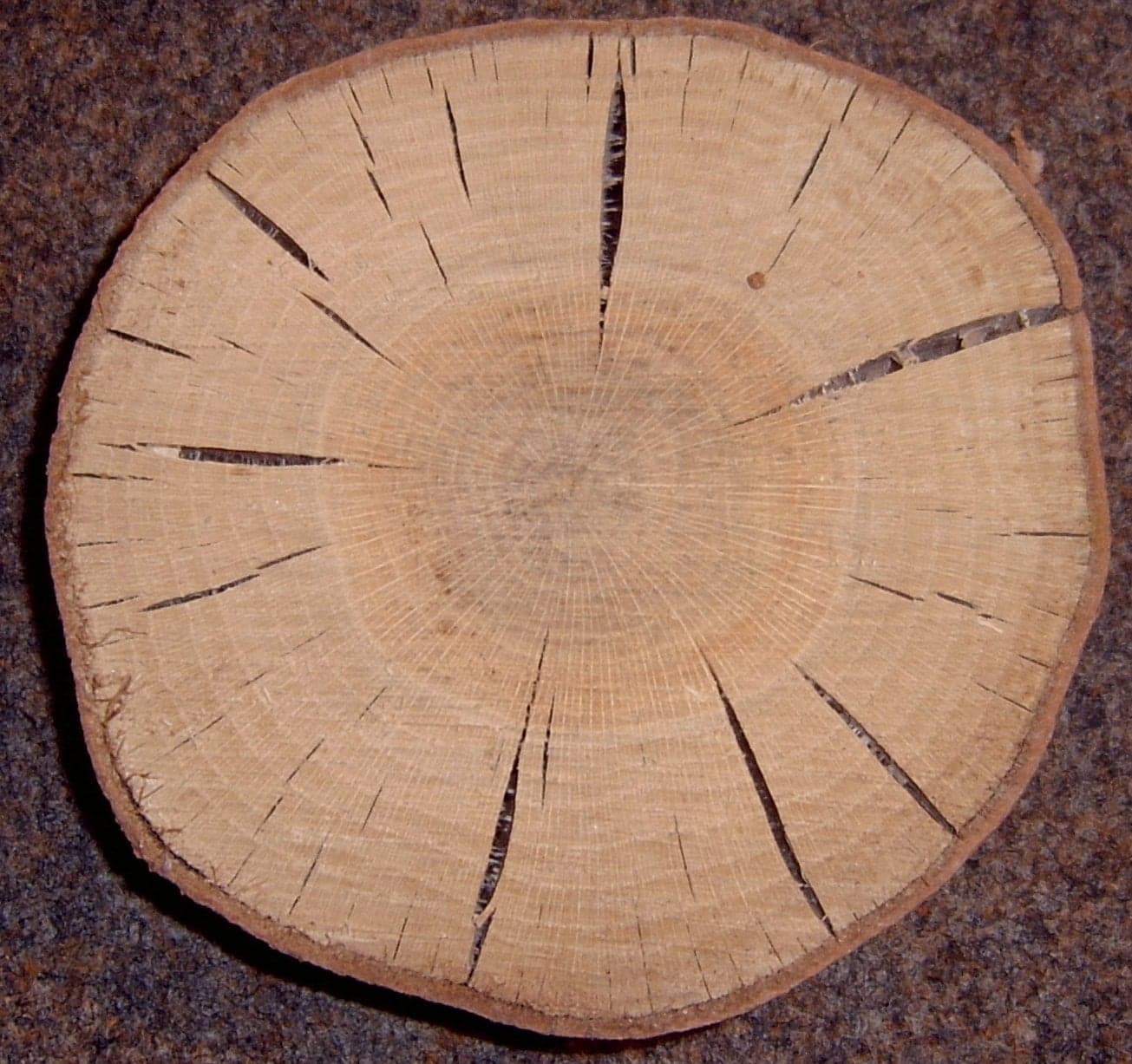
Vina ta’ Red Oak
  • Adattament għall-proġett
  • Fl-istokk
  • Dehra
  • Kif taħdimha
  • Moviment
  • Prezz
  • Sigurtà u provvista
  • Mistoqsijiet
  • Data teknika

Huwa tajjeb għall-proġett tiegħek?

Tajjeb ħafna għal

  • Interior furniture
  • Flooring
  • Cabinetry
  • Painted and stained joinery
  • Shelving

Ebda Red Oak fil-ħarġa attwali

Speċijiet simili fl-istokk

Bħalissa m’hemmx Red Oak. Dawn l-ispeċijiet jgħoddu għall-istess proġetti u għandhom biċċiet disponibbli.
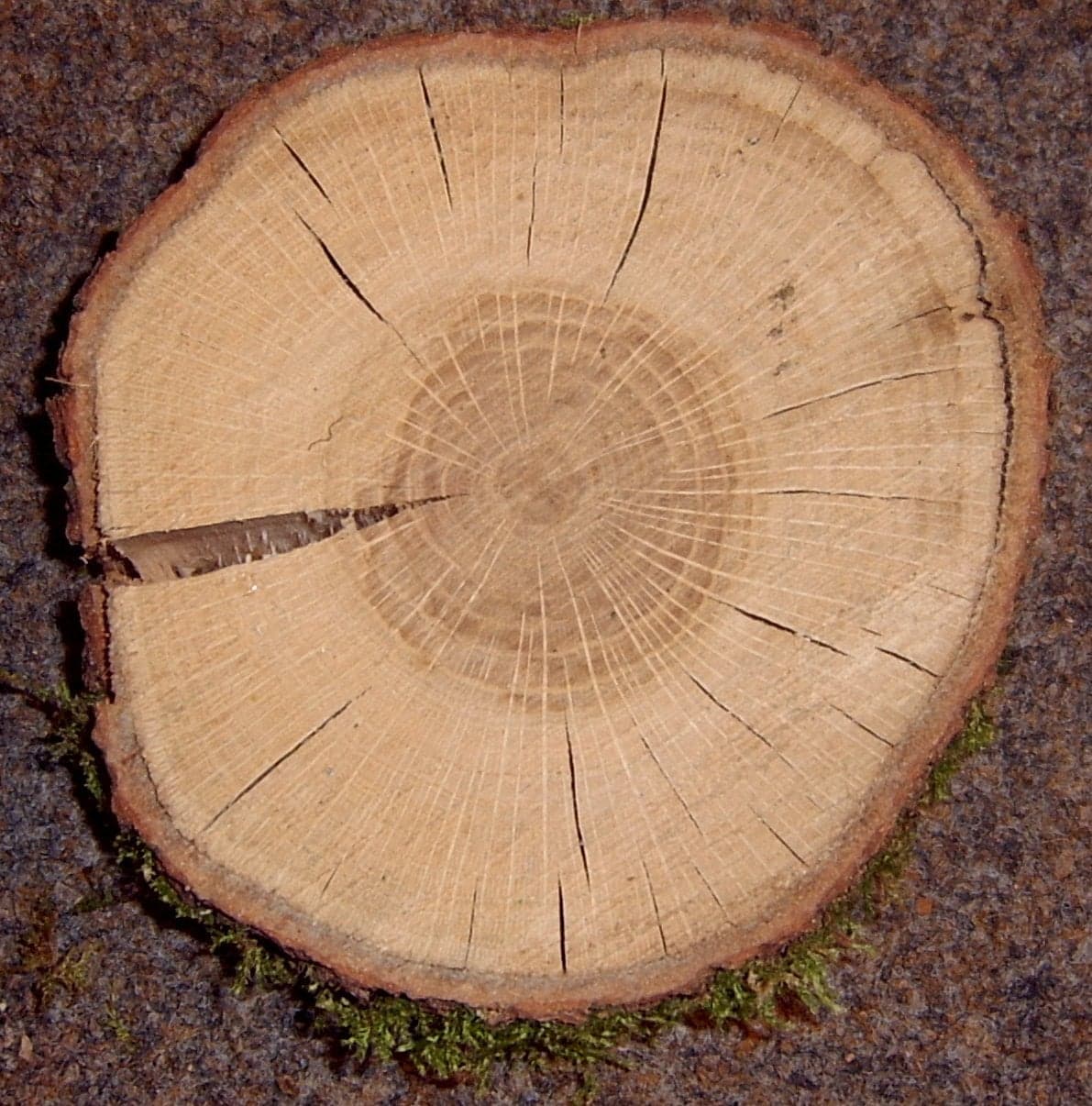
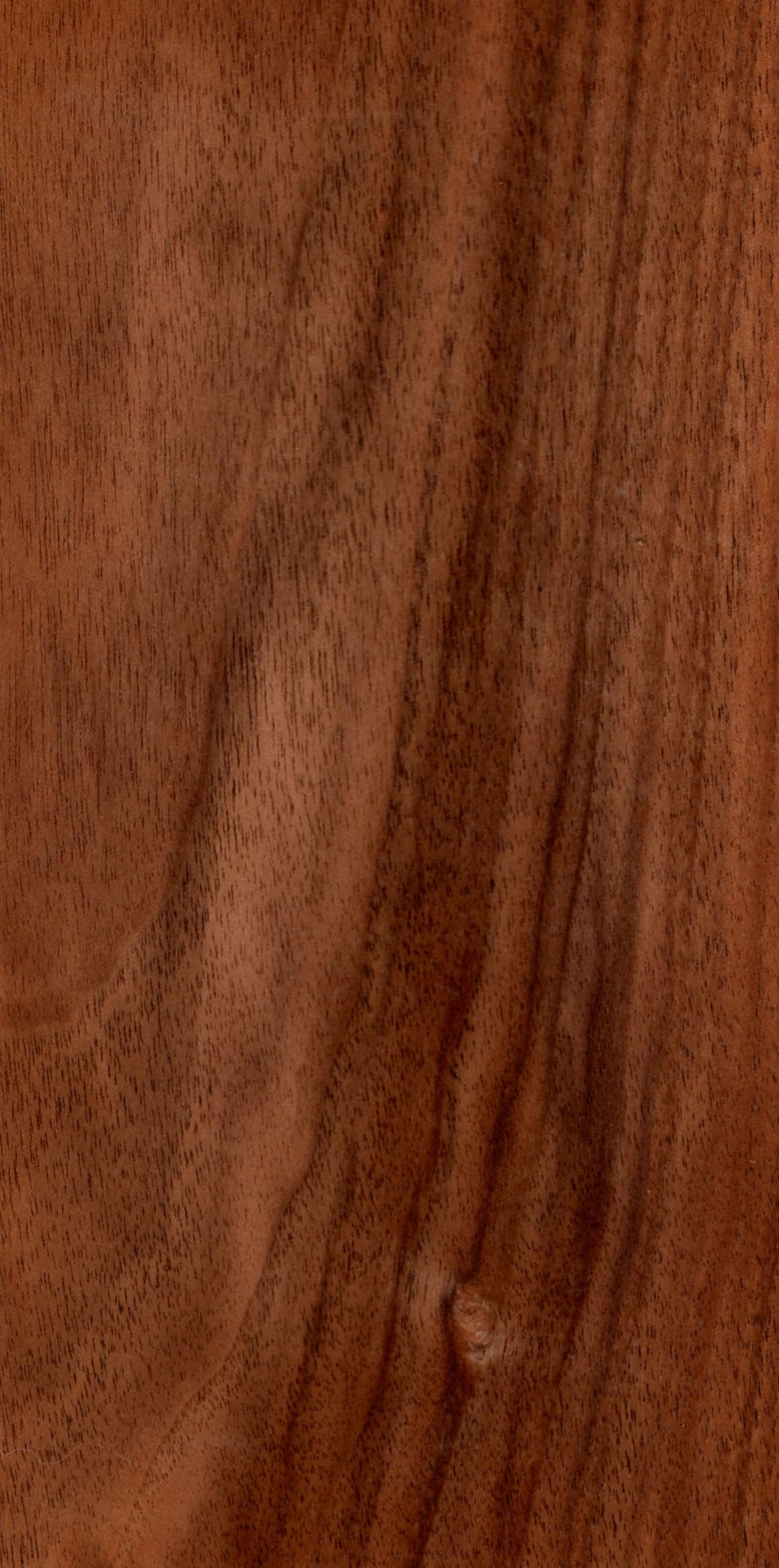
  • Vina ta’ European Oak

    European Oak

    Quercus robur

    6 biċċiet

  • Vina ta’ European Walnut

    European Walnut

    Juglans regia

    9 biċċiet

  • Vina ta’ Saman

    Saman

    Samanea saman

    4 biċċiet

Irċievi avviż dwar Red Oak

Nibagħtulek email meta jaslu fallakki friski ta’ Red Oak għand KORENA. Kull biċċa hija unika, għalhekk avviż bikri jgħin.

Ftit emails fix-xahar. Ebda spam, tista’ tneħħi l-abbonament meta trid.

Dehra tal-injam

Kif jidher

Light to mid brown with a distinct reddish or pinkish cast that separates it clearly from the European oaks. Grain is straight and the texture coarse, with very large open pores in the earlywood. Those pores are the defining practical fact about this wood: they run continuously along the grain and are open enough that the species will not hold liquid, which is why red oak was never used for barrels.

  • Light to mid brown with a reddish or pinkish cast
  • Very large open pores in the earlywood
  • Ray fleck present on quartersawn faces but finer than white oak
  • Straight grain, coarse texture, very large open earlywood pores that run continuously along the grain. Light to mid brown with a distinct reddish cast.

Kif taħdem bih

Kif taħdmu

Produces good results with hand and machine tools and it glues and finishes well. It blunts cutters moderately as all oaks do. The dimensional stability is described in the cited source as mediocre, so it moves more than its numbers alone suggest. The very large open pores require substantial grain filling for any smooth finish, more than European oak needs.

Finitura

Takes stain and finish well and is frequently stained to imitate more expensive species, which it does convincingly. The large open pores need heavy grain filling for a smooth surface. The reddish cast can fight a warm stain and go orange, so test on an offcut. Tannins react with iron exactly as in the European oaks, so brass or stainless fittings only.

Tnixxif

Dries reasonably but shares the oak family requirement for a slow schedule, and it is prone to checking and honeycomb if pushed. Volumetric shrinkage of 13.7 percent with tangential at 8.6 against radial at 4.0 percent gives a wide ratio, so flatsawn boards cup. The cited source specifically notes mediocre dimensional stability in service, which is worth weighing against European oak for anything that must stay flat.

Kemm se jiċċaqlaq?

L-injam jintefaħ u jiċkien tul il-wisa’ hekk kif l-arja ssir aktar jew inqas umda. Stima l-moviment staġjonali ta’ wiċċ ta’ Red Oak qabel tiddisinja t-twaħħil.

Qatgħa
Fejn se tintuża

Moviment staġjonali mistenni

madwar 9.8 mm

Waħħal il-wiċċ b’buttuni jew brackets b’fetħiet, mhux b’kolla jew viti ssikkati.

Mudell ta’ tnaqqis lineari: wisa’ × (tnaqqis ÷ 28 % saturazzjoni tal-fibra) × bidla staġjonali fl-umdità. Juża tnaqqis tanġenzjali ta’ 8.6 % għal Red Oak. Stima għall-ippjanar, mhux garanzija.

Kemm jiswa

Sigurtà u provvista

  • Imkabbar barra l-Ewropa u importat permezz ta’ mħażen Ewropej.
  • Stat fil-Lista l-Ħamra tal-IUCN: il-valutazzjoni globali tal-konservazzjoni għal din l-ispeċi.
  • Oak is a documented sensitiser and reactions usually include eye and skin irritation. Severe reactions are rare. Repeated exposure to oak dust carries elevated nasal cancer risk, so extraction is not optional in a production setting.

Aqra l-gwida sħiħaNoti dettaljati dwar id-disinn tal-vina, il-bidla fil-kulur, ix-xogħol u l-istabbiltà.+

What Red Oak actually is#

Quercus rubra is the most commercially important hardwood in the United States and has been planted across Europe since the eighteenth century. European grown material is now common enough in the EU market that buying it does not necessarily mean importing from North America, which matters for both documentation and carbon.

It is harder than European oak, stiffer than European oak, and cheaper than European oak. It is also, in one specific and consequential way, a fundamentally different material.

The pores, which decide everything#

In white oak and the European oaks, the large earlywood pores are plugged with tyloses, balloon like ingrowths that seal the vessels. In red oak they are not. The pores run open and continuous along the grain.

The old demonstration is to take a short length of red oak, dip one end in soapy water and blow through the other. Bubbles come out. You cannot do that with white oak.

Everything practical about this species follows from that:

It was never used for barrels, because it will not hold liquid. It is rated non-durable to perishable with poor insect resistance, so it has no business outdoors. It is recorded in this catalogue as not food safe, unlike the European oaks, because open pores hold moisture and residue that a closed grain wood does not. And it needs far more grain filler than European oak to reach a smooth finish.

Mistoqsijiet tax-xerrejja

Mistoqsijiet tax-xerrejja

Why is Red Oak not suitable for outdoor use or barrels?

+

Its earlywood pores are very large and run continuously along the grain, so the wood behaves like a bundle of straws. Liquid passes straight through it, which is why white oak was always the cooperage timber and red oak never was. Combined with a decay rating of non-durable to perishable and poor insect resistance, it should be treated as an interior wood only.

Is Red Oak harder than European Oak?

+

Yes, measurably. It is 5,430 N on the Janka scale against 4,980 N for European oak, and its elastic modulus of 12.14 GPa is higher too. Hardness is not the reason to prefer European oak; durability, stability and colour are.

Is it safe for a cutting board?

+

KORENA records it as not food safe, and that is a deliberate distinction from the European oaks. The very large open pores hold moisture and food residue in a way closed grain species do not, and the wood is rated non-durable. For food contact choose hard maple or a similarly dense closed grain species.

How do I tell it from European Oak?

+

Proprjetajiet mekkaniċi

Data teknika

Valuri ta’ referenza ppubblikati. Fejn is-sorsi ma jaqblux tintwera l-firxa, bil-valur tipiku użat għall-iskali ta’ hawn fuq.

Densità (kg/m³)Massa għal kull metru kubu b’madwar 12 % kontenut ta’ umdità. Injam itqal normalment ikun aktar iebes u b’saħħtu.700 kg/m³
Ebusija Janka (N)Il-forza meħtieġa biex tagħfas ballun tal-azzar sa nofsu fl-injam. Il-kejl standard tar-reżistenza għat-tgħaffiġ.5,430 N
MOR: modulu tal-ksur (MPa)Saħħa fil-liwi: it-tagħbija li fiha travu jinkiser.99 MPa
MOE: modulu tal-elastiċità (GPa)Ebusija fil-liwi: kemm jinżel xkaffa jew wiċċ taħt tagħbija.12.1 GPa
Tnaqqis radjaliTnaqqis tul iċ-ċrieki tat-tkabbir, minn aħdar sa mnixxef fil-forn. Tavli quartersawn jiċċaqalqu hekk.4.0 %
Tnaqqis tanġenzjaliTnaqqis tul iċ-ċrieki tat-tkabbir. Tavli flatsawn u l-biċċa l-kbira tal-fallakki jiċċaqalqu hekk.8.6 %

No machine-readable author provided. Lumbar~commonswiki assumed (based on copyright claims)., via Wikimedia Commons

Quercus rubra is native to eastern North America and is the most commercially important hardwood in the United States. It has also been planted widely across Europe since the eighteenth century and European grown material is increasingly common in the EU market, which shortens the supply chain considerably compared with imported American stock.

  • Not listed in the CITES Appendices and assessed by the IUCN as Least Concern. It is abundant and among the most heavily harvested hardwoods in North America. For EUDR purposes, European grown Quercus rubra offers a considerably shorter and simpler supply chain than imported American material, and it is increasingly available.

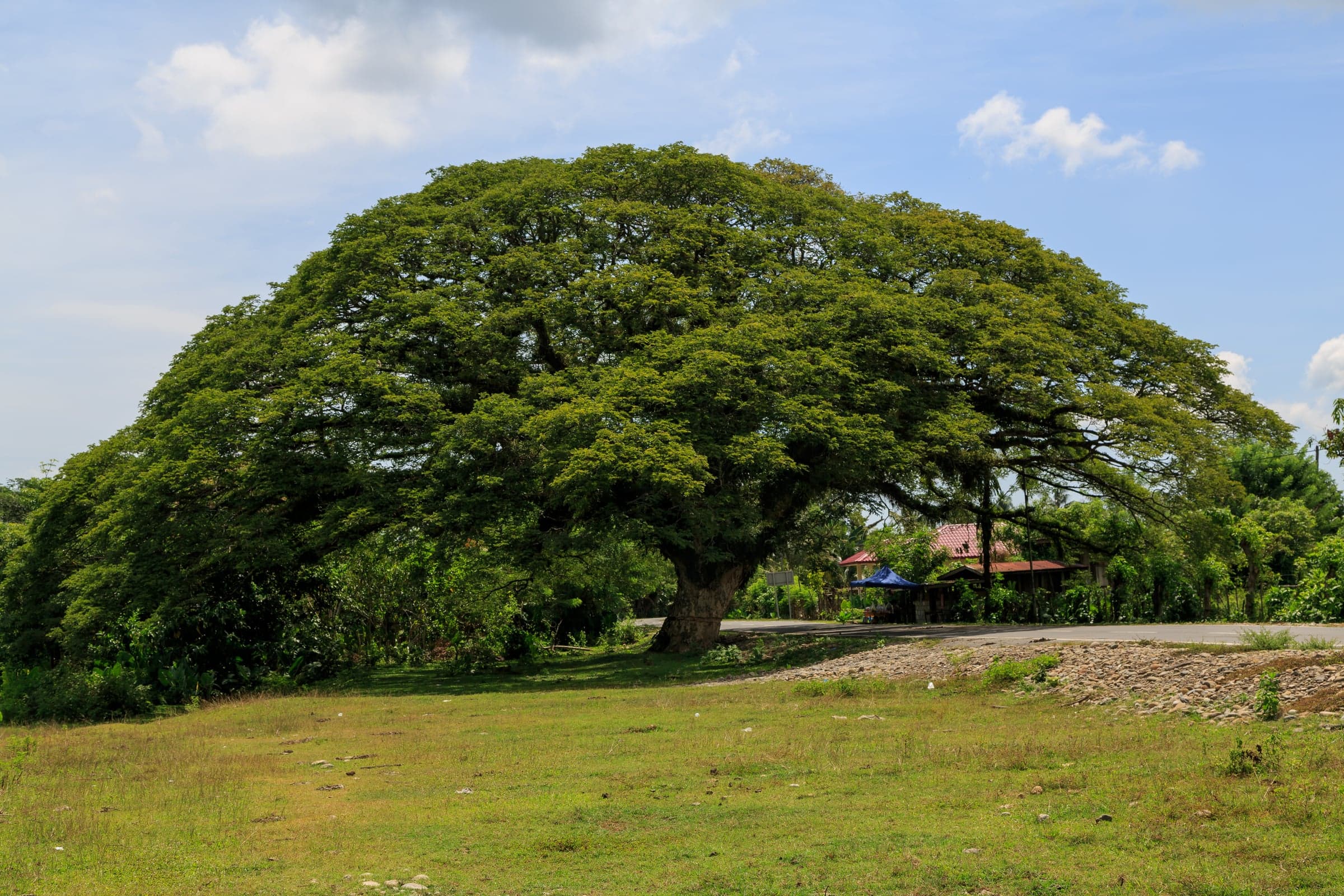
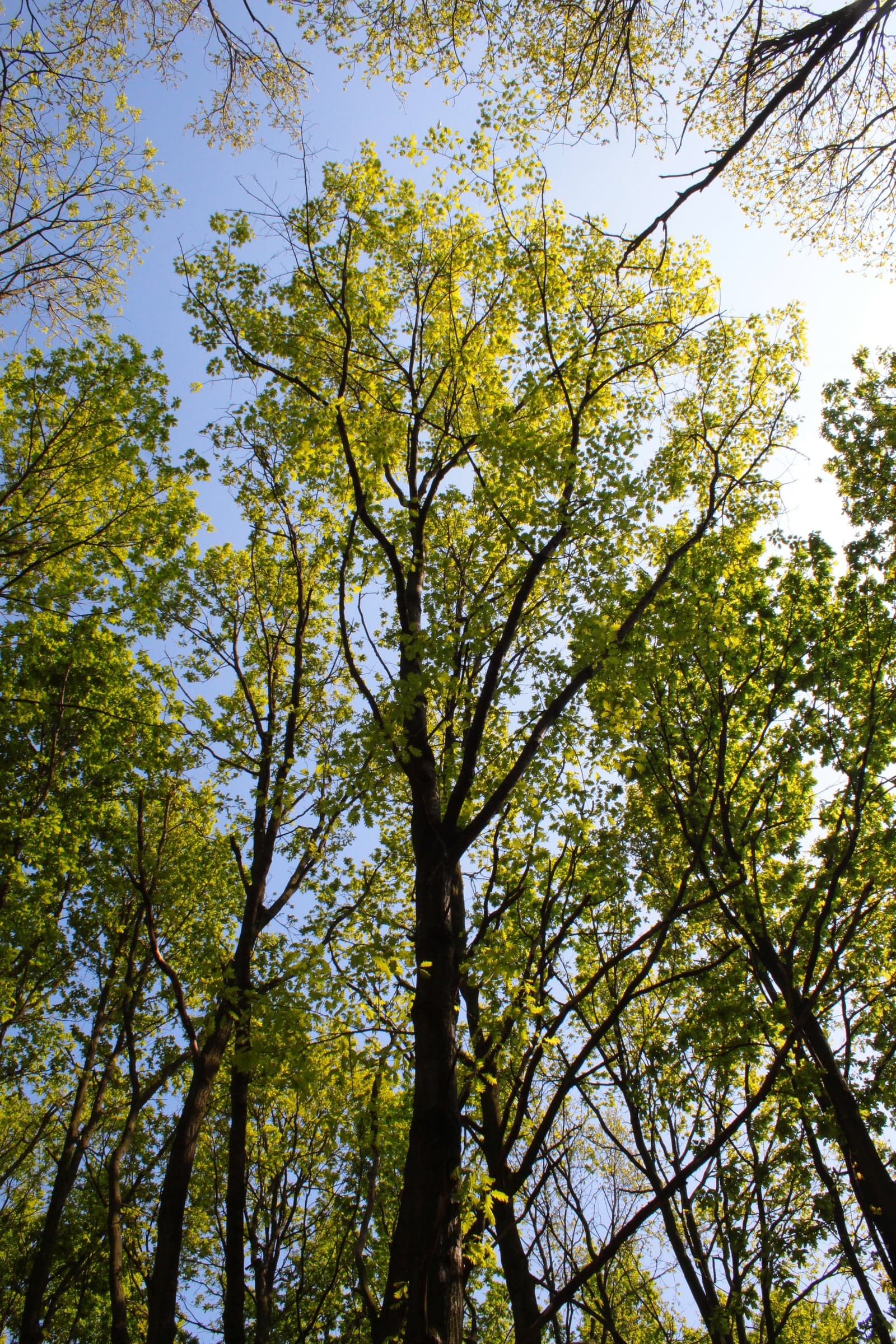
  • Siġra ta’ Red Oak

    Crusier, via Wikimedia Commons

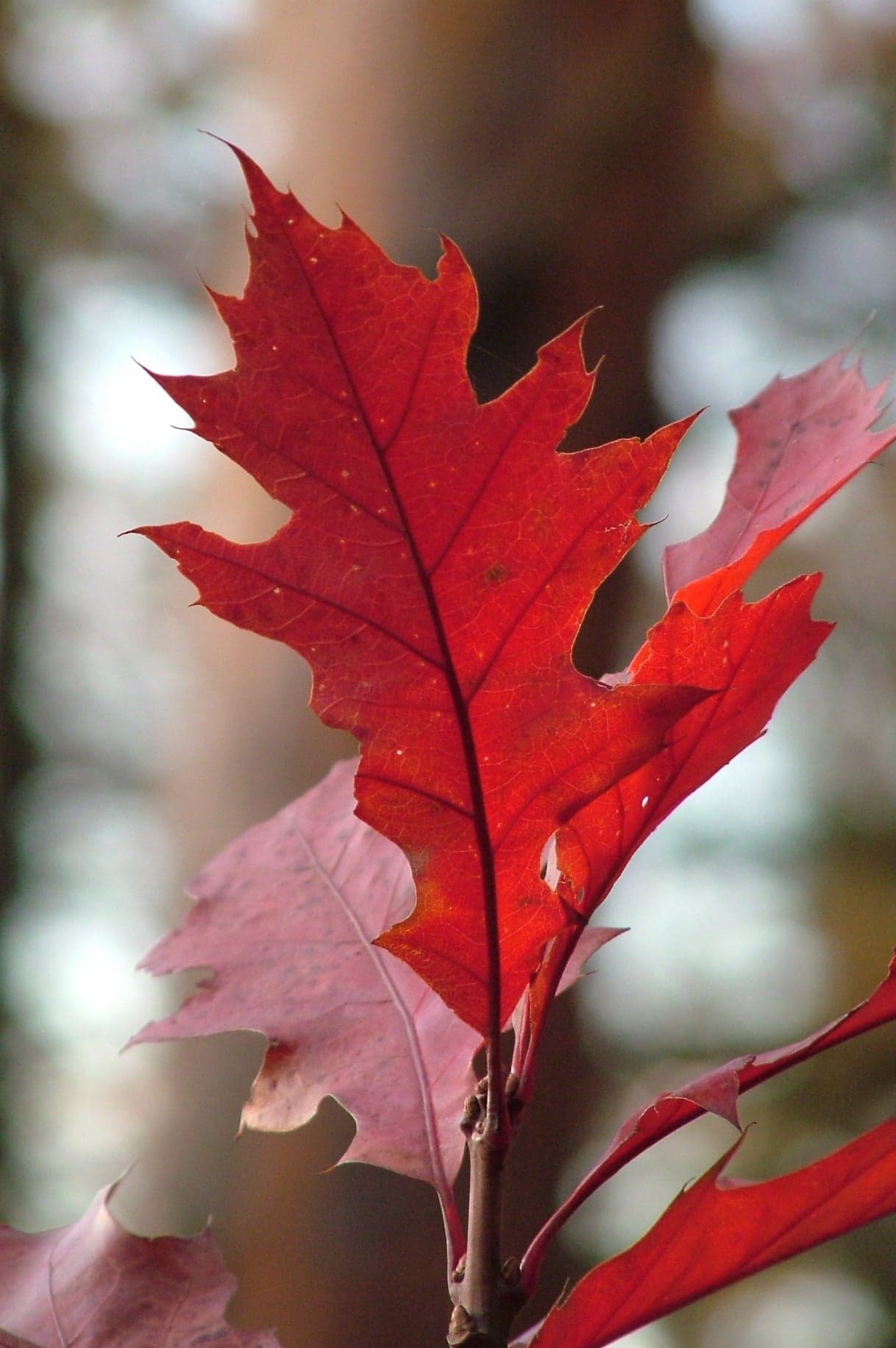
    Red Oak: Werqa
    Werqa

    None of that makes it a bad wood. It makes it an interior wood, and within that boundary it is an excellent and economical one.

    Reading a Red Oak slab#

    The colour is the quick identifier: a distinct pink or reddish cast through the light to mid brown, clearly different from the tan and olive of European oak.

    The reliable identifier is the end grain under a lens. Open earlywood pores mean red oak; pores plugged with tyloses mean white or European oak. If a supplier's label and the end grain disagree, believe the end grain.

    Ray fleck appears on quartersawn faces but is finer and less dramatic than in white oak or sessile oak. Buyers hoping for bold silvery fleck should look elsewhere.

    At the bench#

    It produces good results with hand and machine tools, glues well, and finishes well. It blunts cutters moderately, like all oaks.

    The cited source describes its dimensional stability as mediocre, and that word is worth taking seriously. Volumetric shrinkage of 13.7 percent is not extreme, but the tangential to radial ratio of 8.6 against 4.0 percent is wide, and red oak has a reputation for moving more in service than its figures predict. For a wide top that must stay flat, European oak quartersawn is the safer specification.

    Grain filling is more work here than on European oak. Those large open pores swallow filler and often need two applications for a genuinely smooth surface. Many makers simply leave the texture, which suits the wood.

    Finishing, and one trap#

    Red oak takes stain and finish readily and is very commonly stained to imitate more expensive species, which it does convincingly.

    The trap is its own colour. The natural pink cast fights warm stains and can push a finish orange, particularly with amber toned oils. Test on an offcut from the same slab before committing, and consider a cooler toned stain to counteract it.

    The tannin and iron reaction applies here as in every oak. Steel screws, steel wool and steel clamp bars all produce blue black staining on contact with damp oak. Use brass or stainless throughout.

    Where Red Oak is the right answer#

    Interior furniture, flooring, cabinetry, shelving and joinery that will be stained or painted. It is hard at 5,430 N, stiff at 12.14 GPa, widely available and inexpensive relative to European oak.

    It is the wrong answer outdoors in any form, for food contact surfaces, for cooperage or anything holding liquid, and for a wide panel where dimensional stability is the governing requirement.

    Sourcing and EUDR#

    Not listed in the CITES Appendices and assessed by the IUCN as Least Concern. The species is abundant and heavily harvested across eastern North America.

    The EUDR consideration is the same one that applies to Douglas Fir in this catalogue: European grown plantation material offers a much shorter and simpler documentation path than imported North American stock, along with lower transport carbon. It is increasingly available. KORENA listings record the partner yard and region, so which one you are buying is visible on the passport.

    Colour is the quick check: red oak carries a distinct pink or red cast where European oak runs tan to olive brown. The reliable check is the end grain. Look at the large earlywood pores with a lens; in red oak they are open, in white and European oak they are plugged with tyloses, which is exactly why one holds liquid and the other does not.

    Is European grown Red Oak different from American?

    +

    It is the same species and the working properties are comparable. The meaningful difference is the supply chain. European grown material has a much shorter and simpler documentation path under EUDR and lower transport carbon than imported American stock, and it is increasingly available in the EU market.

    Tnaqqis volumetrikuBidla totali fil-volum minn aħdar sa mnixxef fil-forn. Inqas ifisser aktar stabbli.13.7 %
    Durabbiltà naturali (EN 350)Standard Ewropew għar-reżistenza naturali għat-tmermir, minn 1 (durabbli ħafna) sa 5 (jitmermer faċilment).Class 5 — Perishable

    Sorsi

    • The Wood Database — Red Oak (Quercus rubra)(aċċessat 2026-08-12)
    • USDA FPL Wood Handbook FPL-GTR-190 (2010)(aċċessat 2026-08-12)
    • Meier, E. — WOOD! Identifying and Using Hundreds of Woods Worldwide (2015)(aċċessat 2026-08-12)

    Vantaġġi

    • Jintewa tajjebIkklassifikat 4 minn 5 għal-liwi bil-fwar. Jieħu kurvi stretti.

    Oqgħod attent

    • Mhux għal użu barra mingħajr trattamentId-durabbiltà naturali hija klassi EN 350 5 minn 5. Żommha ġewwa jew taħt finitura miżmuma tajjeb.
    • Tiċċaqlaq aktar mill-biċċa l-kbiraUċuħ wesgħin jeħtieġu buttuni jew twaħħil b’fetħiet u spazju għall-moviment. Uża l-kalkolatur tal-moviment hawn taħt.
    • It-trab jirritaUża estrazzjoni u ilbes maskra waqt ix-xkatlar jew il-magni.
    • Mhux injam għall-kuntatt mal-ikelAgħżel speċi oħra għal boards tat-tqattigħ u oġġetti tas-servizz.

    Agħfas tikketta għad-dettalji.

    Daqqa t’għajn

    Il-livelli jużaw faxex fissi għall-ispeċijiet kollha elenkati minn KORENA, għalhekk jitqabblu direttament. Il-valur imkejjel jidher taħt kull wieħed.
    EbusijaReżistenza għat-tgħaffiġ u l-użuEbusija medja

    Ebusija Janka: 5,430 N

    9 % aktar iebes mill-oak Ewropew

    PiżKemm hi tqila fallakka biex terfagħhaTqil

    700 kg/m³

    StabbiltàKemm tiċċaqlaq ftit mal-istaġuniAttiv

    13.7 % tnaqqis volumetriku

    XogħolSerrar, inċanar, xkatlar u inkullarModerat

    medja ta’ 3.9 / 5 fuq il-bank

    Użu barraReżistenza naturali għat-tmermir, EN 350Għal ġewwa biss

    Klassi EN 350 5

    • Serrar · Tajjeb ħafnaKemm jinqata’ nadif u kemm jgħejja x-xfafar.1 = diffiċli · 5 = eċċellenti
    • Inċanar · Tajjeb ħafnaKemm iħalli wiċċ lixx u kemm iqatta’ l-vina.1 = diffiċli · 5 = eċċellenti
    • Xkatlar · Tajjeb ħafnaKemm jitxkatla malajr u lixx mingħajr ma jimblokka l-karta.1 = diffiċli · 5 = eċċellenti
    • Tornitura · Tajjeb ħafnaKif jinqata’ u jingħata finitura fuq it-torn.1 = diffiċli · 5 = eċċellenti
    • Tinqix · TajjebKemm iżomm dettall ċar taħt skarpell.1 = diffiċli · 5 = eċċellenti
    • Inkullar · Tajjeb ħafnaKemm iżommu tajjeb il-ġonot bil-kolla.1 = diffiċli · 5 = eċċellenti
    • Żamma ta’ viti / imsiemer · Tajjeb ħafnaKemm iżomm viti u msiemer mingħajr ma jinqasam.1 = diffiċli · 5 = eċċellenti
    • Liwi bil-fwar · Tajjeb ħafnaKemm jieħu kurvi wara l-fwar.1 = diffiċli · 5 = eċċellenti

    Għad m’hemmx referenza tas-suq għal Red Oak. Kull biċċa ta’ KORENA tiġi pprezzata individwalment mill-maħżen sieħeb tagħha.