Guida alle specie
Scegli il legno prima della tavola.
L’aspetto di ogni legno, la sua durezza e stabilità, il comportamento al banco e la disponibilità attuale. Filtra in base al progetto, poi apri una specie per vedere i dettagli.
KORENA propone 22 tavole di legno duro verificate, ciascuna fotografata e misurata prima della pubblicazione, con specie, dimensioni e provenienza confermate e spedizione dai depositi partner nell’UE.
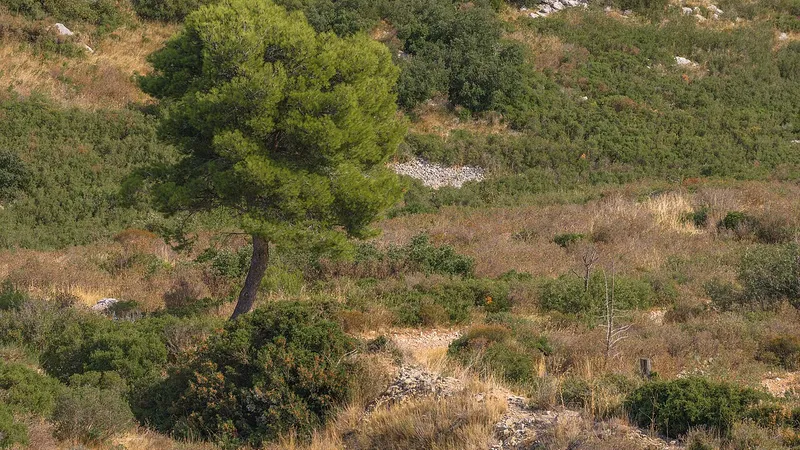 Grows commercially in Europe
Pinus halepensis
Pino d'Aleppo
The pine of dry Mediterranean coasts. Irregular, resinous and awkward to machine, with the lowest measured shrinkage of anything KORENA lists.
Stabilità
Molto stabile
Lavorazione
Impegnativa
Riferimento
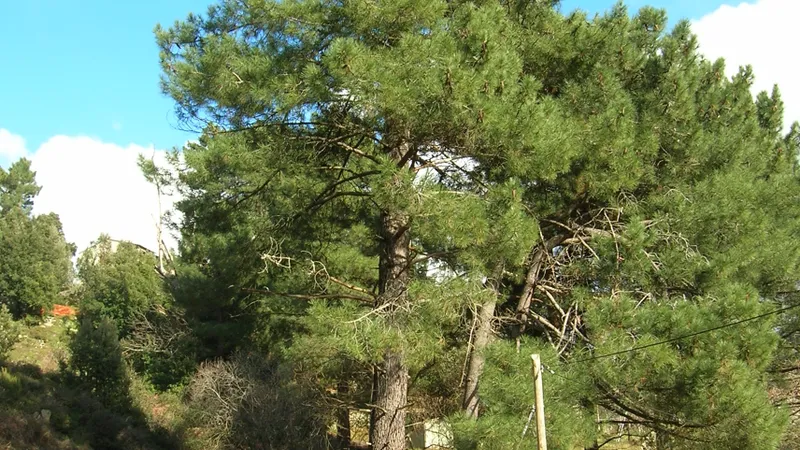 Grows commercially in Europe
Pinus pinaster
Pino marittimo
The pine of the Atlantic coast and the Landes. The most resinous and least stable wood KORENA lists, with a bold coarse figure that suits rustic work.
Durezza
Tenero
Stabilità
Vivace
Lavorazione
Impegnativa
Riferimento
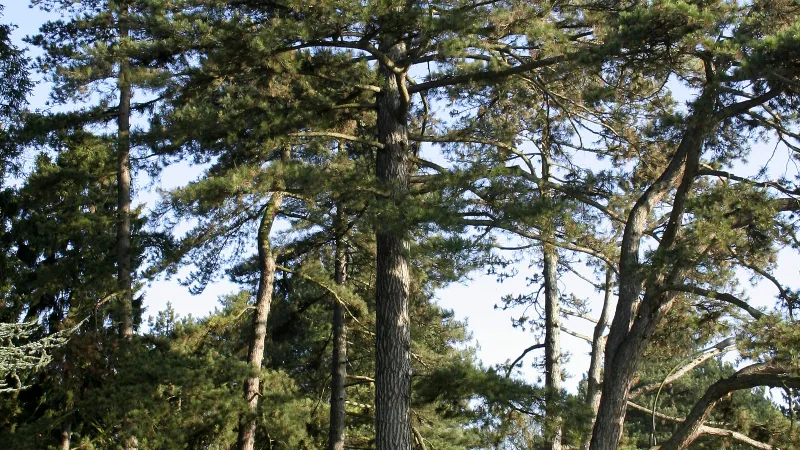 Grows commercially in Europe
Pinus nigra
Pino nero
A pale timber from a dark tree. Works like Scots Pine, stays lighter with age, and moves less than any pine here.
Durezza
Abbastanza tenero
Stabilità
Stabile
Lavorazione
Facile
Riferimento
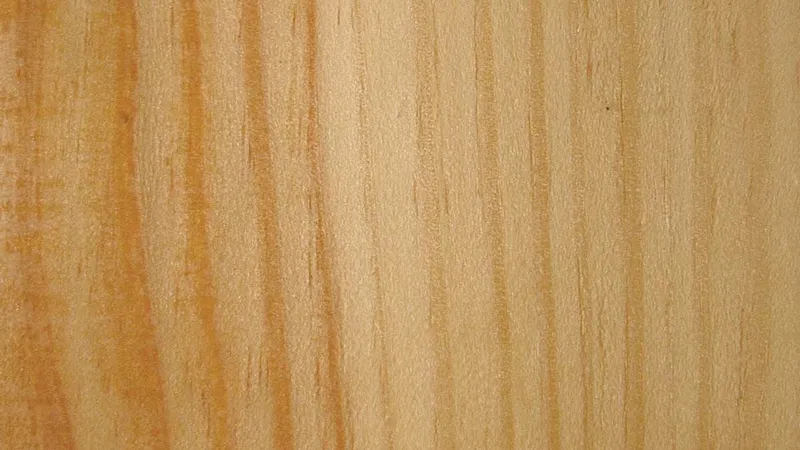 Grows commercially in Europe
Pinus sylvestris
Pino silvestre
The most widely distributed pine on earth and the most forgiving wood in this catalogue to build with. Soft, knotty, and it ambers into something far better than it starts as.
Durezza
Tenero
Stabilità
Vivace
Lavorazione
Facile
Riferimento
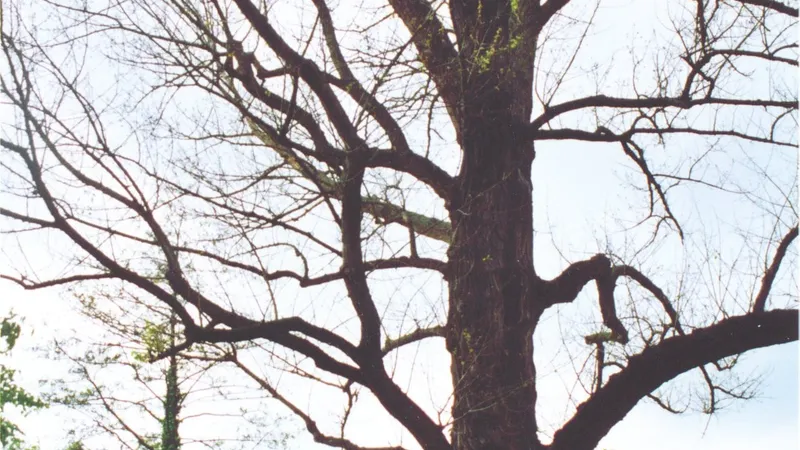 Grows commercially in Europe
Populus nigra
Pioppo nero
The lightest hardwood KORENA lists, and the one most often blamed for a fault that belongs to the blade.
Durezza
Tenero
Stabilità
Nella media
Lavorazione
Impegnativa
Riferimento
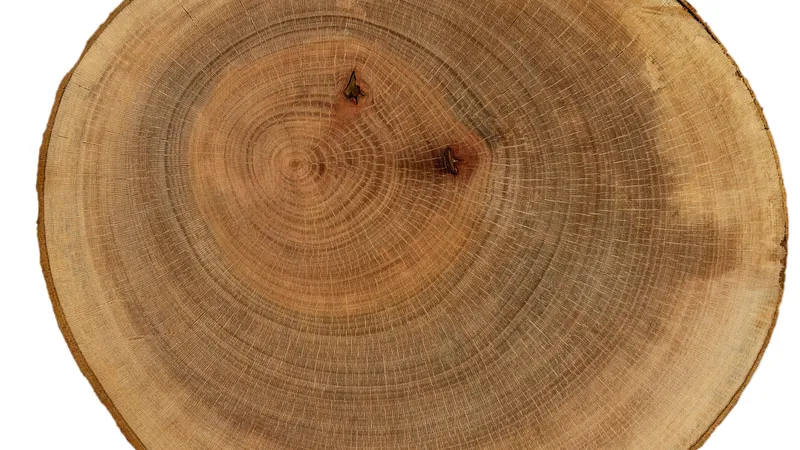 Grows commercially in Europe
Platanus × acerifolia
Platano londinese
Quartersawn London Plane reveals lacewood: large medullary rays catch the light in dense, scaly flecks. The slab's signature, and its whole reason for being on this list.
Durezza
Mediamente duro
Stabilità
Molto movimento
Lavorazione
Moderata
Riferimento
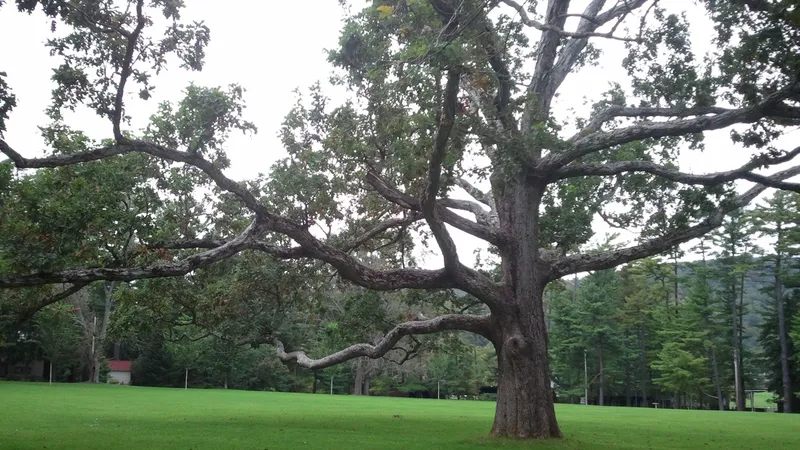
Quercus alba
Quercia bianca
American white oak (Quercus alba) is a closed-pore hardwood with straight grain, coarse texture, and one of the best steam-bending records of any commercial species.
Durezza
Duro
Stabilità
Molto movimento
Lavorazione
Moderata
Riferimento
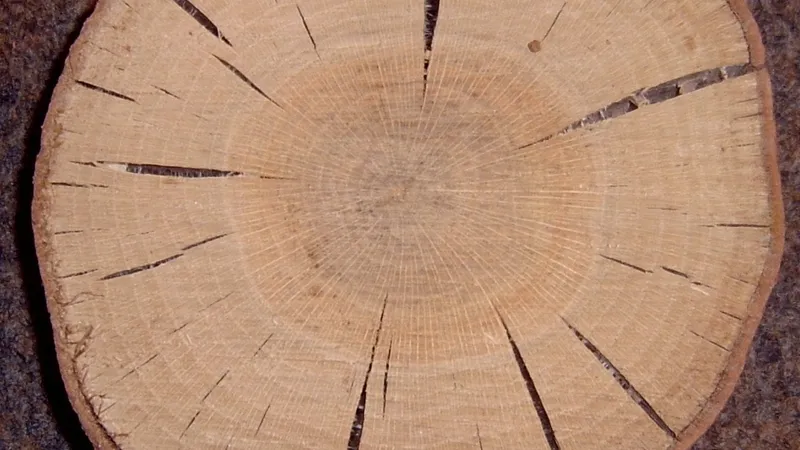
Quercus rubra
Quercia rossa
Harder than European oak and cheaper, with pores open enough to blow air through. An interior wood, and only an interior wood.
Durezza
Mediamente duro
Stabilità
Vivace
Lavorazione
Moderata
Riferimento
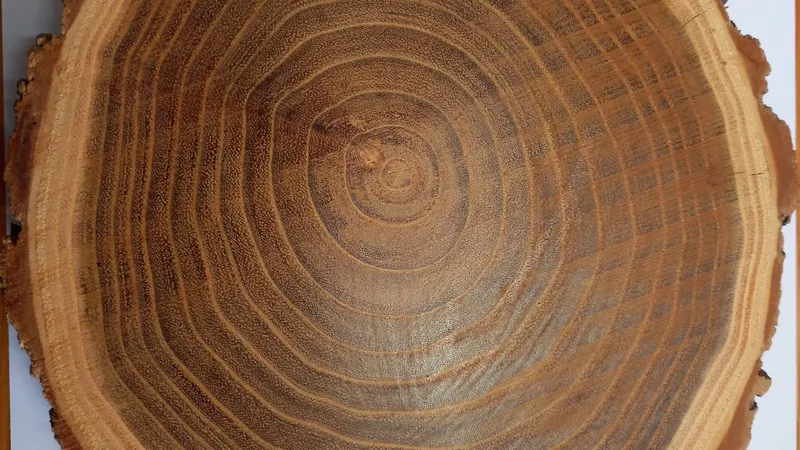 Grows commercially in Europe
Robinia pseudoacacia
Robinia / falsa acacia
Class 1 durability from a tree that grows in Europe. One of the only EU-native options that survives outdoors untreated, and a credible domestic answer to tropical exotics like teak.
Durezza
Molto duro
Stabilità
Stabile
Lavorazione
Impegnativa
Riferimento
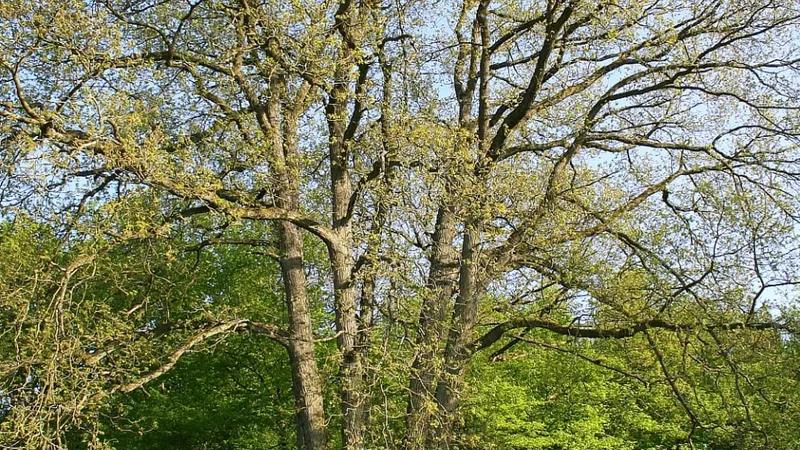 Grows commercially in Europe
Quercus petraea
Rovere
The other European oak. Sold beside Quercus robur without distinction, straighter grown, and slightly the better board for long clean lengths.
Durezza
Mediamente duro
Stabilità
Vivace
Lavorazione
Moderata
Riferimento
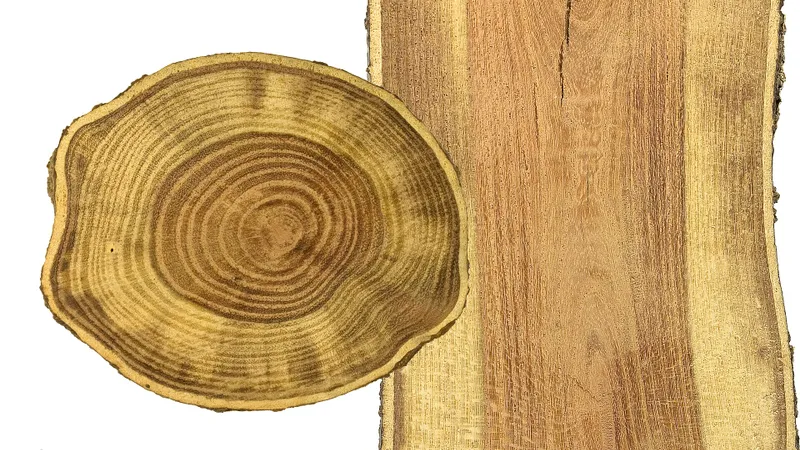
Gleditsia triacanthos
Spino di Giuda
L'honey locust è il legno duro di Gleditsia triacanthos, un albero nordamericano con durame bruno-rossastro e alburno chiaro a contrasto.
Durezza
Molto duro
Stabilità
Stabile
Riferimento
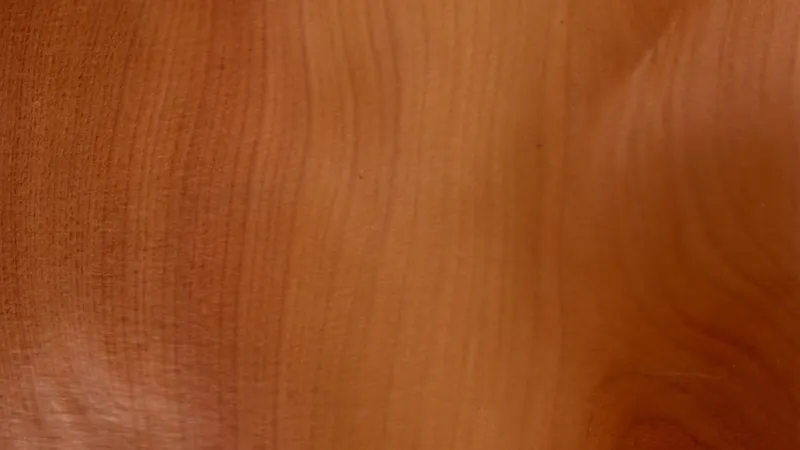 Grows commercially in Europe
Taxus baccata
Tasso europeo
Rare, culturally significant, and exceptionally durable. Dramatic orange-red heartwood against cream sapwood, and the wood of the English longbow.
Durezza
Duro
Stabilità
Molto stabile
Lavorazione
Facile
Riferimento
Durezza e stabilità a confronto
Tutte le specie in un unico grafico. Più a destra significa più duro, più in alto significa meno movimento stagionale. I punti pieni indicano pezzi disponibili.
- Disponibile
- Solo riferimento