Species playbook
Choose the wood before you choose the slab.
What each wood looks like, how hard and stable it is, how it behaves at the bench, and what is in stock now. Filter by your project, then open a species for the detail.
KORENA lists 19 verified hardwood slabs, each photographed and measured before listing, with confirmed species, dimensions, and provenance, shipped from EU partner yards.
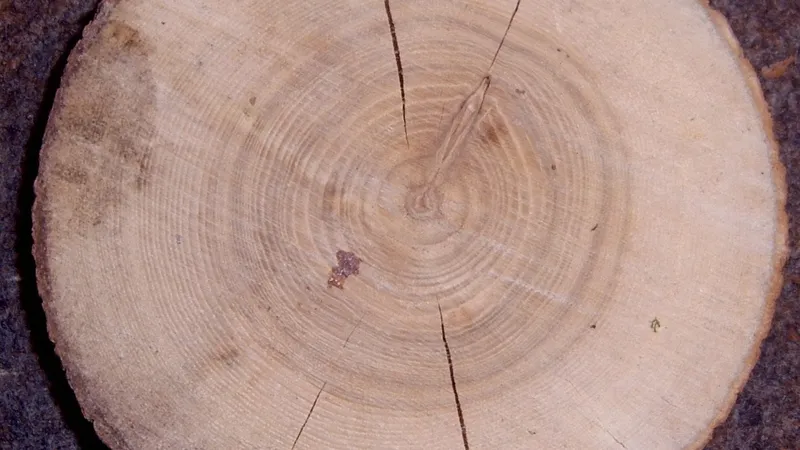 Grows commercially in Europe
Fraxinus excelsior
European Ash
Pale, ring-porous hardwood with bold grain and the best steam-bending behaviour in Europe. Strong and tough, but strictly interior use.
Hardness
Hard
Stability
Moves a lot
Working
Easy
Reference
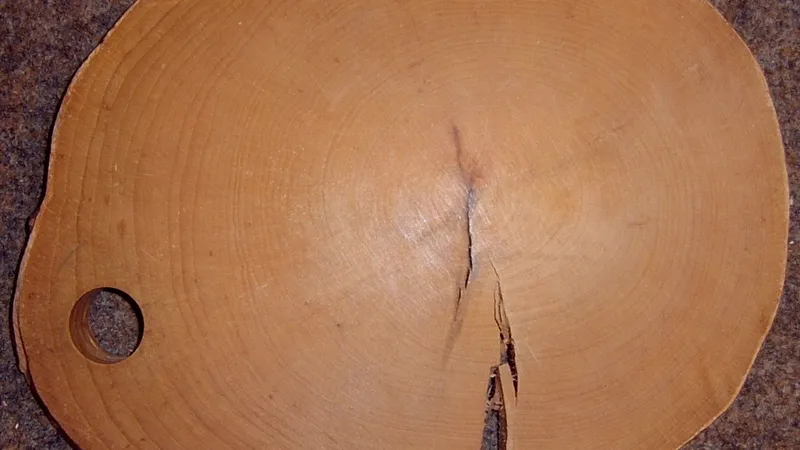 Grows commercially in Europe
Fagus sylvatica
European Beech
The workshop workhorse. Pale, dense, fine-textured hardwood with straight grain, and the wood that bends.
Hardness
Hard
Stability
Moves a lot
Working
Easy
Reference
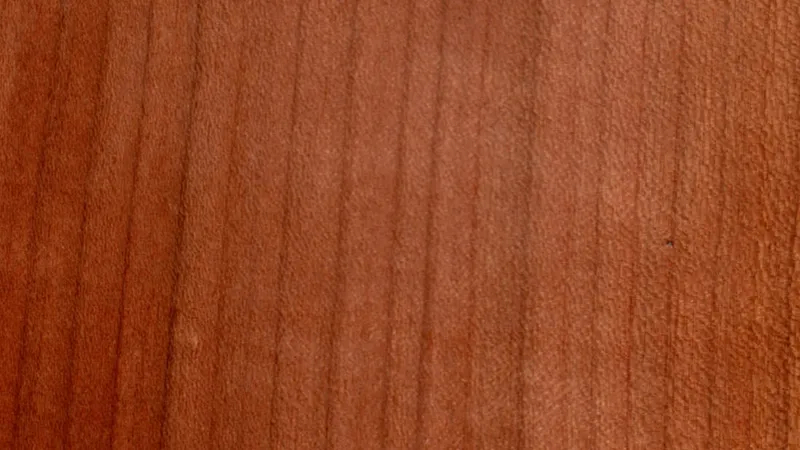 Grows commercially in Europe
Prunus avium
European Cherry
A refined cabinet wood with fine, even grain that ages from pinkish-tan to a deep reddish-brown.
Hardness
Medium-hard
Stability
Average
Working
Easy
Reference
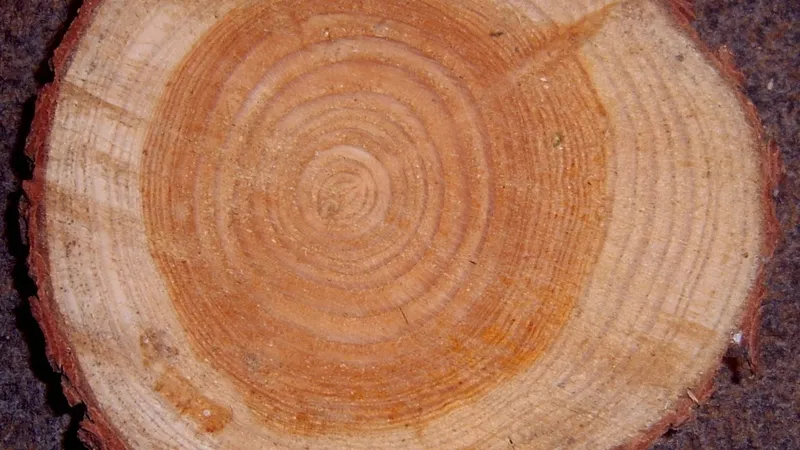 Grows commercially in Europe
Larix decidua
European Larch
The one European softwood that will sit outside untreated, and the most decorative of the group. Hardest conifer KORENA lists, at the cost of fighting resin at every stage.
Hardness
Fairly soft
Stability
Average
Working
Demanding
Reference
 Grows commercially in Europe
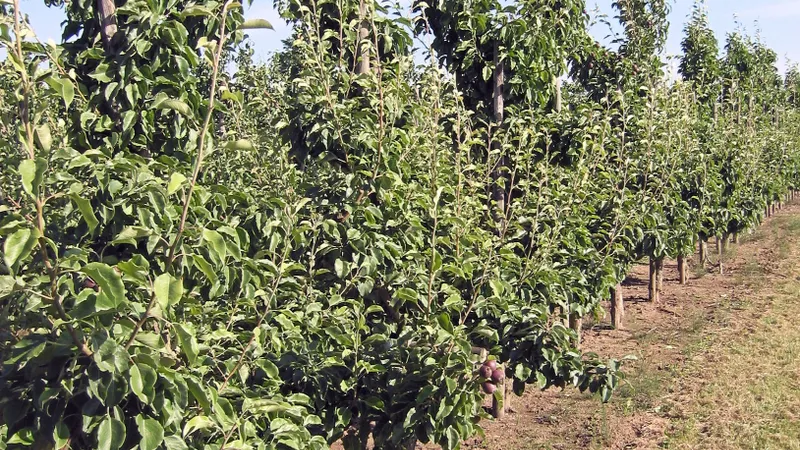
Pyrus communis
European Pear
Master-grade carving and cabinet wood with a fine even texture. Slab-size pieces are rare and prized when they appear.
Hardness
Very hard
Stability
Average
Working
Very easy
Reference
 Grows commercially in Europe
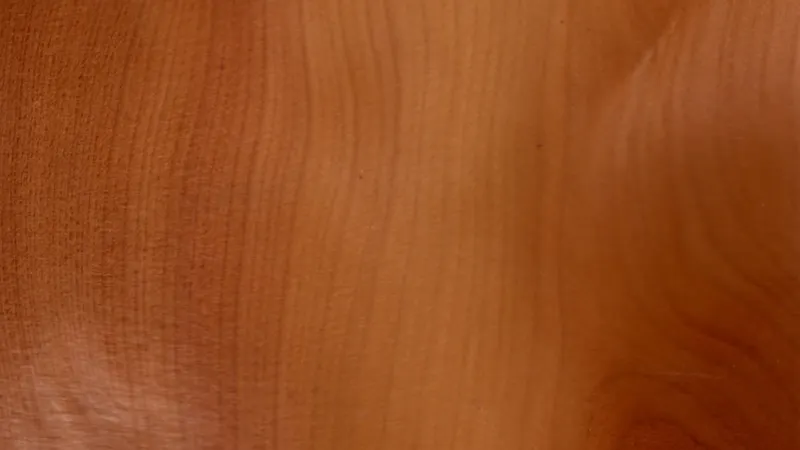
Taxus baccata
European Yew
Rare, culturally significant, and exceptionally durable. Dramatic orange-red heartwood against cream sapwood, and the wood of the English longbow.
Hardness
Hard
Stability
Very stable
Working
Easy
Reference
 Grows commercially in Europe
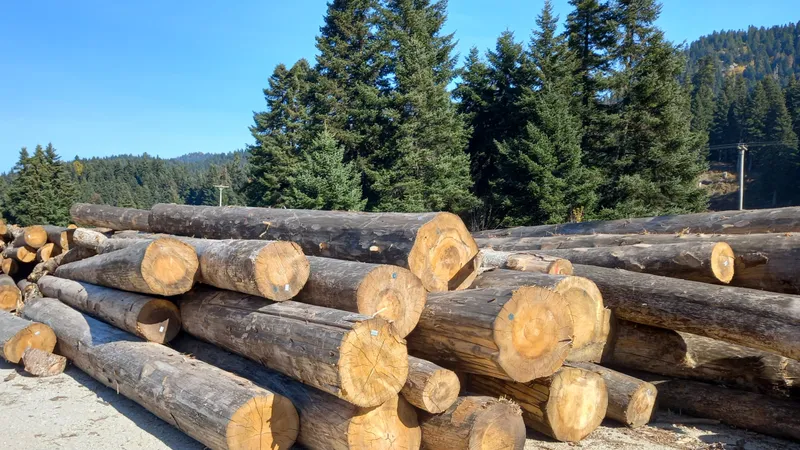
Abies cephalonica
Greek Fir
A Greek mountain endemic with almost no published property data. Bought for provenance and rarity rather than performance figures.
Reference
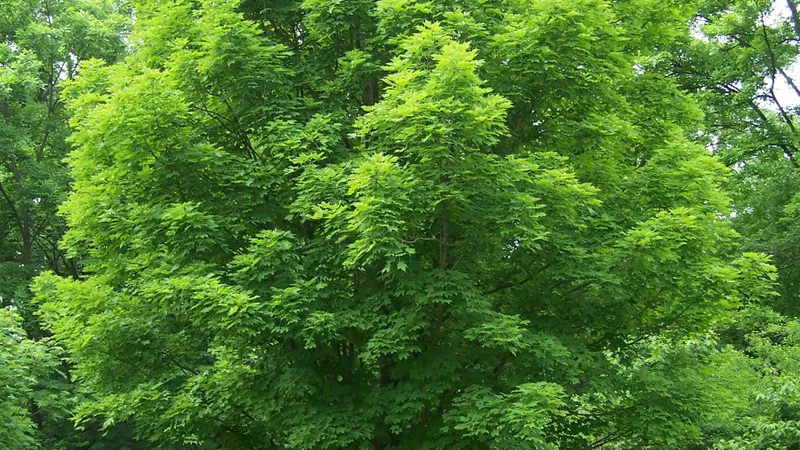
Acer saccharum
Hard Maple
The canonical butcher-block and kitchen-island wood. Pale, dense, food-safe, and hard-wearing. North American import, long established as a furniture-grade species through European channels.
Hardness
Hard
Stability
Moves a lot
Working
Moderate
Reference
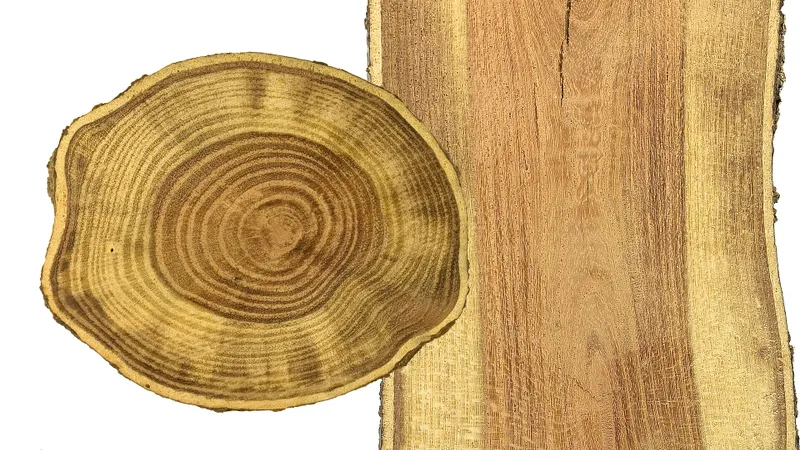
Gleditsia triacanthos
Honey locust
Honey locust is the hardwood of Gleditsia triacanthos, a North American tree with reddish-brown heartwood and contrasting pale sapwood.
Hardness
Very hard
Stability
Stable
Reference
 Grows commercially in Europe
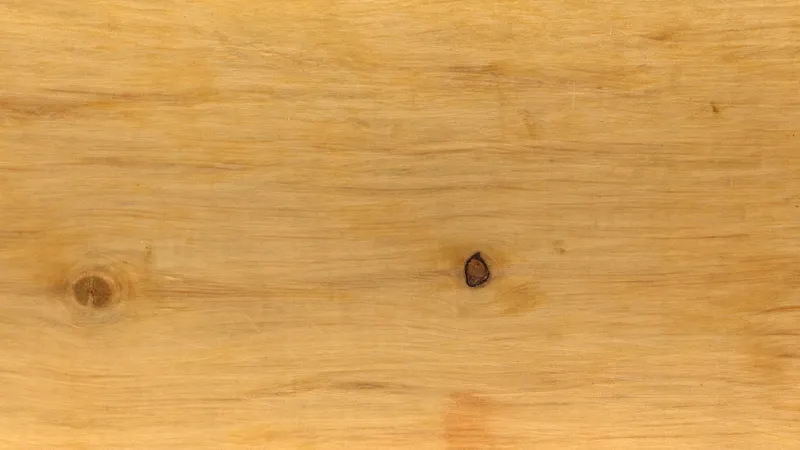
Carpinus betulus
Hornbeam
Pale, ruthlessly dense, and famously hard. The wood old joiners reached for when they needed plane bodies, mallet heads, and water-mill cogs that would not give up.
Hardness
Very hard
Stability
Moves a lot
Working
Moderate
Reference
 Grows commercially in Europe
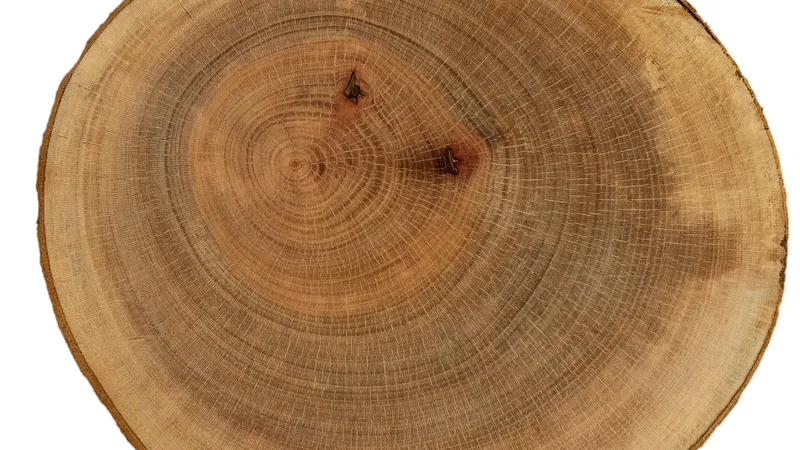
Platanus × acerifolia
London Plane
Quartersawn London Plane reveals lacewood: large medullary rays catch the light in dense, scaly flecks. The slab's signature, and its whole reason for being on this list.
Hardness
Medium-hard
Stability
Moves a lot
Working
Moderate
Reference
 Grows commercially in Europe
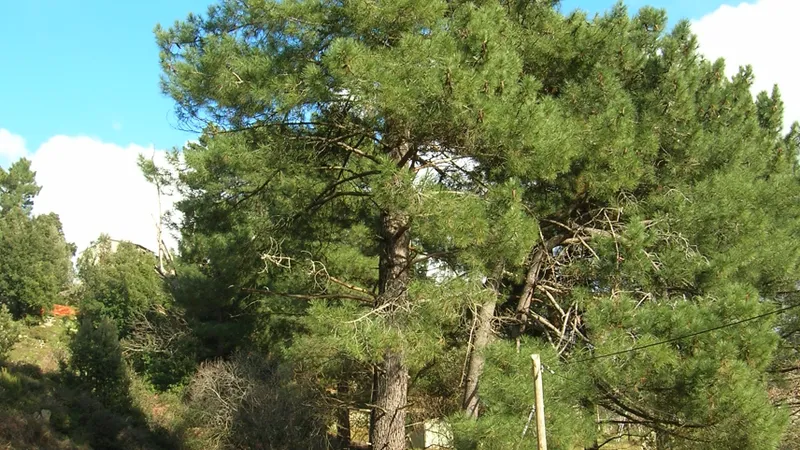
Pinus pinaster
Maritime Pine
The pine of the Atlantic coast and the Landes. The most resinous and least stable wood KORENA lists, with a bold coarse figure that suits rustic work.
Hardness
Soft
Stability
Lively
Working
Demanding
Reference
Hardness against stability
All species on one chart. Further right is harder, higher up moves less with the seasons. Filled dots have pieces in stock.
- In stock
- Reference only