Species playbook
Choose the wood before you choose the slab.
What each wood looks like, how hard and stable it is, how it behaves at the bench, and what is in stock now. Filter by your project, then open a species for the detail.
KORENA lists 19 verified hardwood slabs, each photographed and measured before listing, with confirmed species, dimensions, and provenance, shipped from EU partner yards.
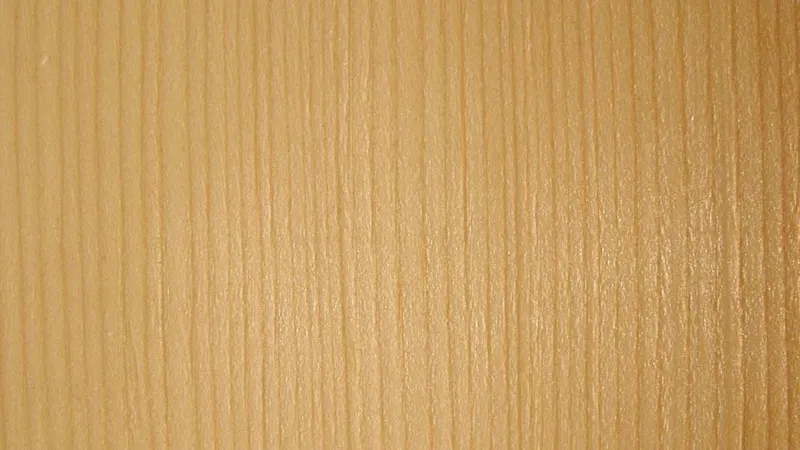 Grows commercially in Europe
Picea abies
Norway Spruce
The most abundant conifer in Europe and the lightest slab material KORENA lists. Pale, even, easy at the bench, and soft enough that you should choose it deliberately.
Hardness
Soft
Stability
Average
Working
Moderate
Reference
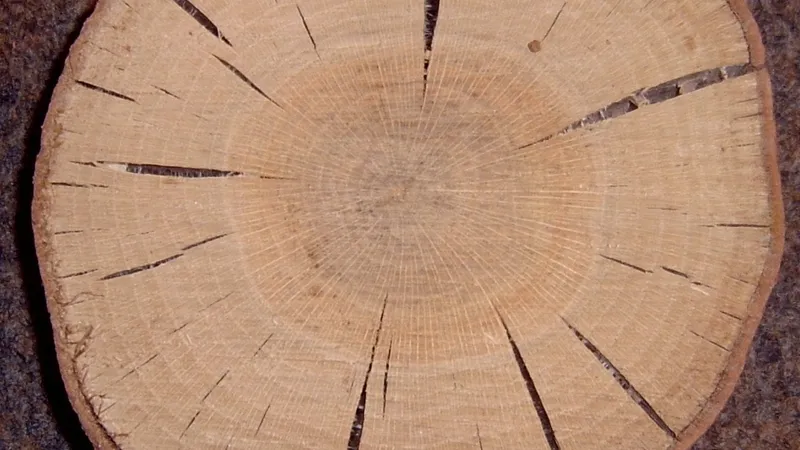
Quercus rubra
Red Oak
Harder than European oak and cheaper, with pores open enough to blow air through. An interior wood, and only an interior wood.
Hardness
Medium-hard
Stability
Lively
Working
Moderate
Reference
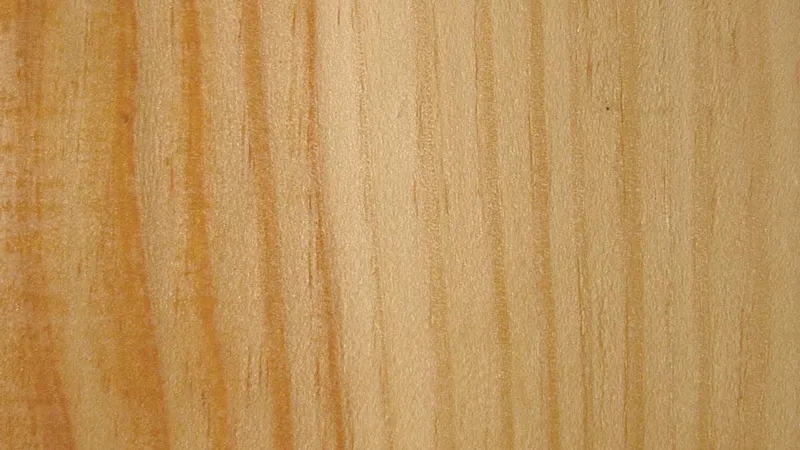 Grows commercially in Europe
Pinus sylvestris
Scots Pine
The most widely distributed pine on earth and the most forgiving wood in this catalogue to build with. Soft, knotty, and it ambers into something far better than it starts as.
Hardness
Soft
Stability
Lively
Working
Easy
Reference
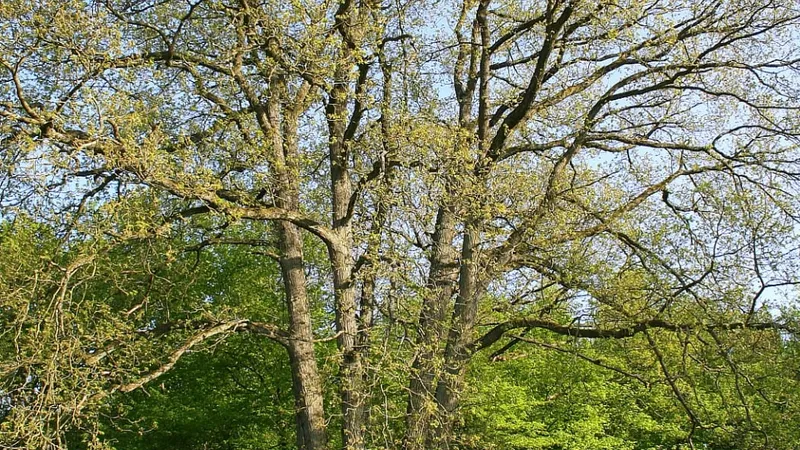 Grows commercially in Europe
Quercus petraea
Sessile Oak
The other European oak. Sold beside Quercus robur without distinction, straighter grown, and slightly the better board for long clean lengths.
Hardness
Medium-hard
Stability
Lively
Working
Moderate
Reference
 Grows commercially in Europe
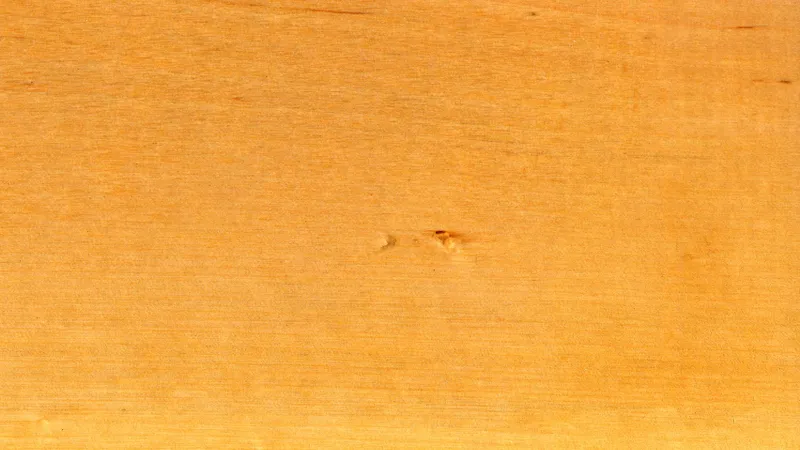
Betula pendula
Silver Birch
Harder than oak and stiffer than anything else KORENA lists, hiding behind a plain pale face. The best turning wood here.
Hardness
Medium-hard
Working
Moderate
Reference
 Grows commercially in Europe
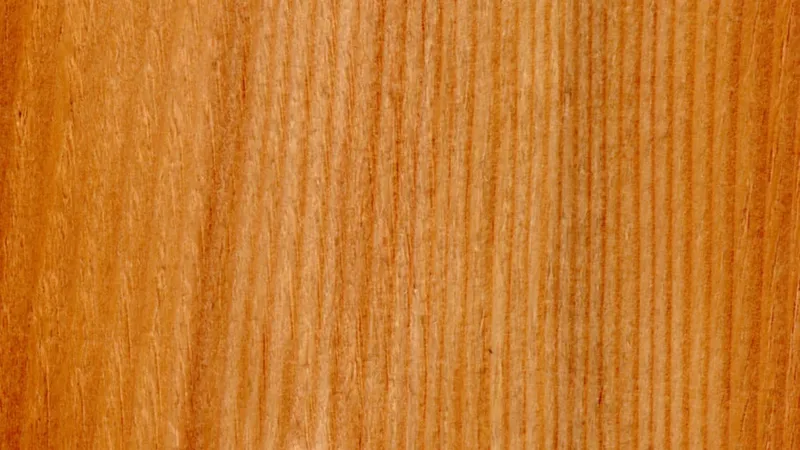
Abies alba
Silver Fir
Spruce without the resin. The softest species in the KORENA catalogue, and the best softwood here for a painted finish.
Hardness
Soft
Stability
Average
Working
Moderate
Reference
 Grows commercially in Europe
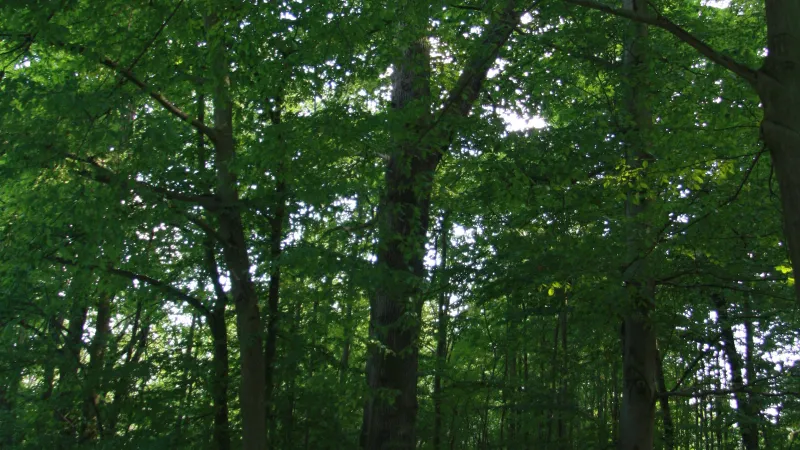
Tilia cordata
Small-leaved Lime
The carving wood of Europe since the Gothic period. Uniform to the point of having no character at all, which is exactly the point.
Hardness
Fairly soft
Stability
Average
Working
Moderate
Reference
 Grows commercially in Europe
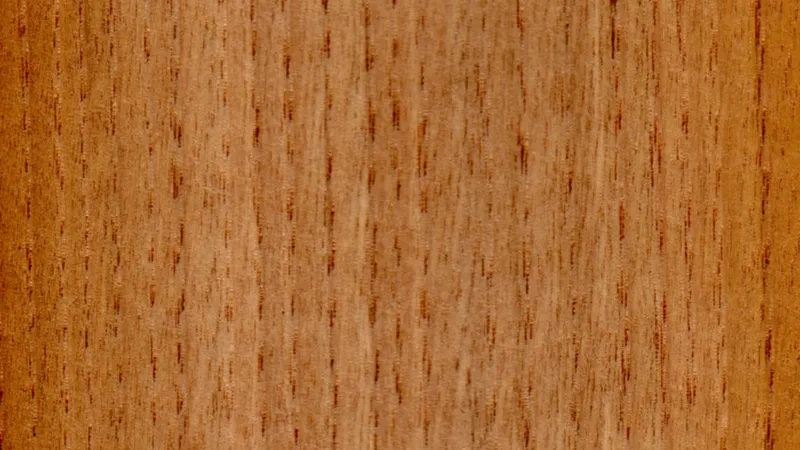
Castanea sativa
Sweet Chestnut
A lighter, softer cousin of oak. Tannin-rich heartwood gives it real durability outdoors, but those same tannins react with iron, so fixings need to be stainless or brass.
Hardness
Fairly soft
Stability
Average
Working
Moderate
Reference
 Grows commercially in Europe
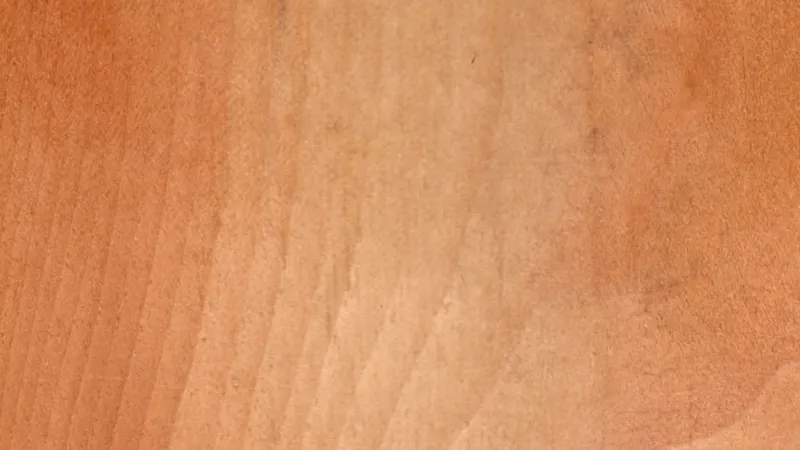
Pinus cembra
Swiss Stone Pine
Alpine Zirbe. Chosen for its scent and its dense scatter of small dark knots rather than for any number on a strength table.
Reference
 Grows commercially in Europe
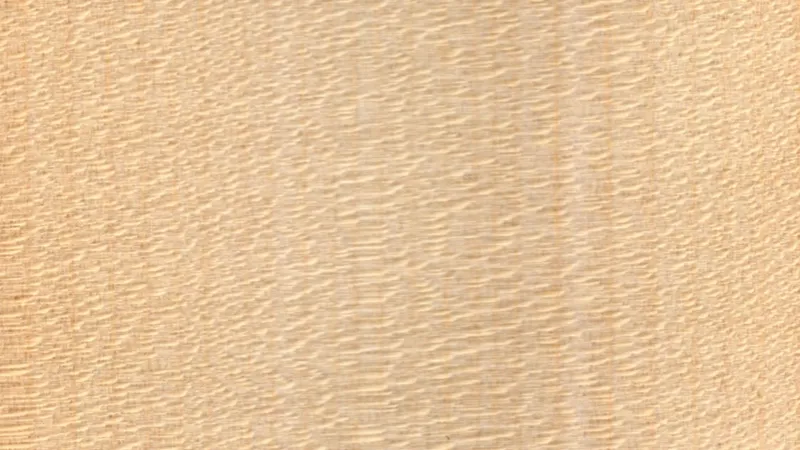
Acer pseudoplatanus
Sycamore Maple
Pale, lustrous European hardwood with a creamy near-white surface. Often quartersawn to bring out ray fleck, and prized in curly form for violin and cello backs.
Hardness
Medium-hard
Stability
Average
Working
Easy
Reference
 Grows commercially in Europe
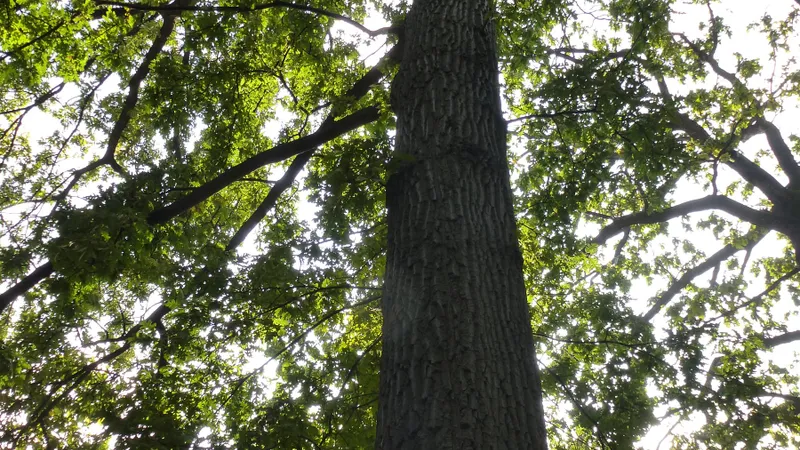
Quercus cerris
Turkey Oak
Harder than European oak and considerably cheaper, for one reason: it is difficult to dry. Buy it already stable and it is a bargain.
Hardness
Medium-hard
Stability
Moves a lot
Working
Moderate
Reference
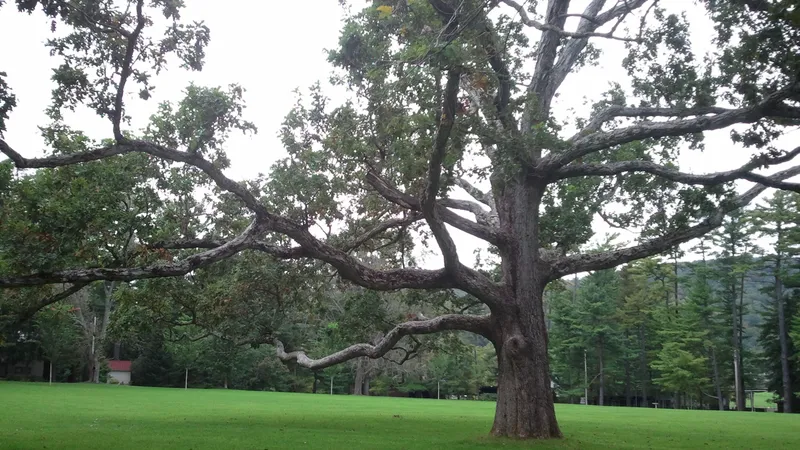
Quercus alba
White Oak
American white oak (Quercus alba) is a closed-pore hardwood with straight grain, coarse texture, and one of the best steam-bending records of any commercial species.
Hardness
Hard
Stability
Moves a lot
Working
Moderate
Reference
Hardness against stability
All species on one chart. Further right is harder, higher up moves less with the seasons. Filled dots have pieces in stock.
- In stock
- Reference only