Guía de especies
Elige la madera antes de elegir la tabla.
Contexto botánico, propiedades mecánicas, indicaciones de trabajo, comportamiento durante el secado y stock actual de KORENA, agrupados por especie para que puedas planificar el proyecto antes de reservar una pieza.
KORENA ofrece 22 tablas de madera noble verificadas, todas fotografiadas y medidas antes de publicarse, con la especie, las dimensiones y la procedencia confirmadas, y enviadas desde almacenes asociados de la UE.
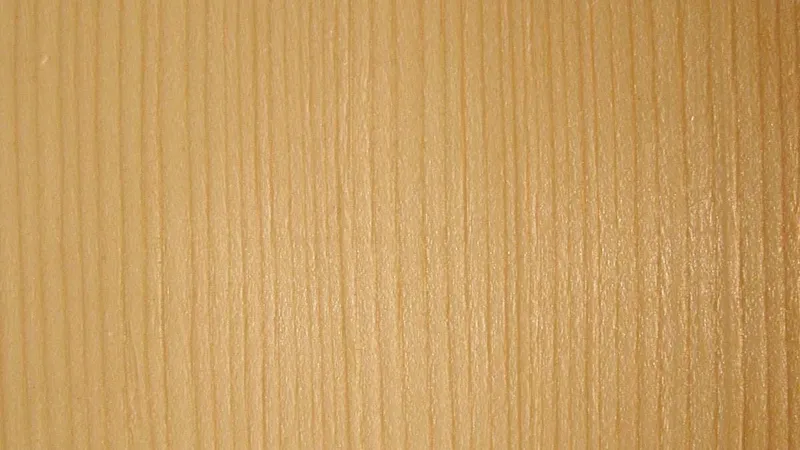 Grows commercially in Europe
Picea abies
Pícea de Noruega
The most abundant conifer in Europe and the lightest slab material KORENA lists. Pale, even, easy at the bench, and soft enough that you should choose it deliberately.
Dureza
Blanda
Estabilidad
Media
Trabajo
Moderada
Referencia
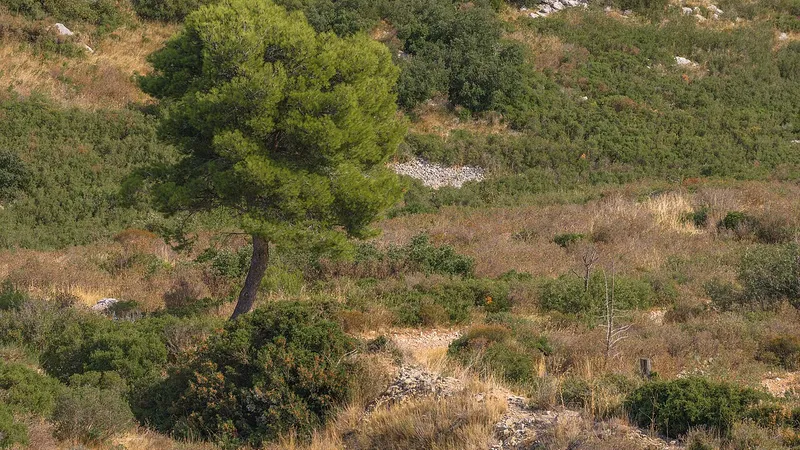 Grows commercially in Europe
Pinus halepensis
Pino carrasco
The pine of dry Mediterranean coasts. Irregular, resinous and awkward to machine, with the lowest measured shrinkage of anything KORENA lists.
Estabilidad
Muy estable
Trabajo
Exigente
Referencia
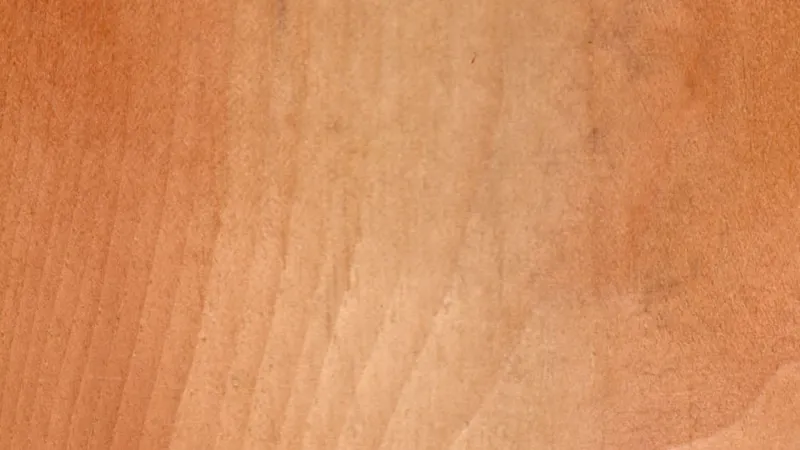 Grows commercially in Europe
Pinus cembra
Pino cembro
Alpine Zirbe. Chosen for its scent and its dense scatter of small dark knots rather than for any number on a strength table.
Referencia
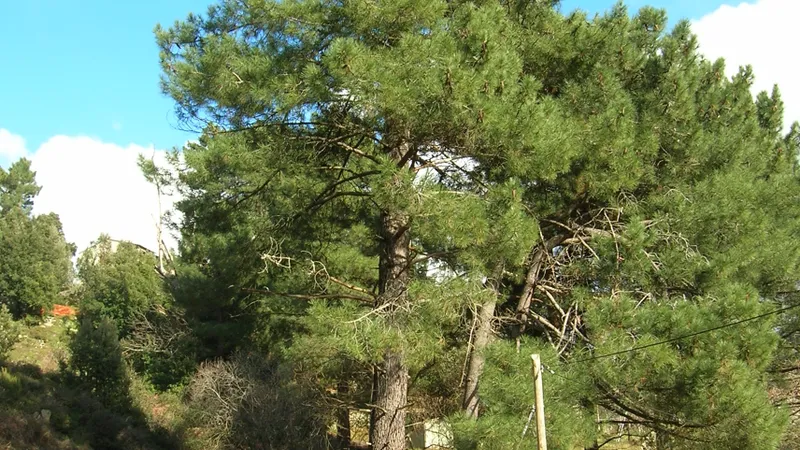 Grows commercially in Europe
Pinus pinaster
Pino marítimo
The pine of the Atlantic coast and the Landes. The most resinous and least stable wood KORENA lists, with a bold coarse figure that suits rustic work.
Dureza
Blanda
Estabilidad
Inquieta
Trabajo
Exigente
Referencia
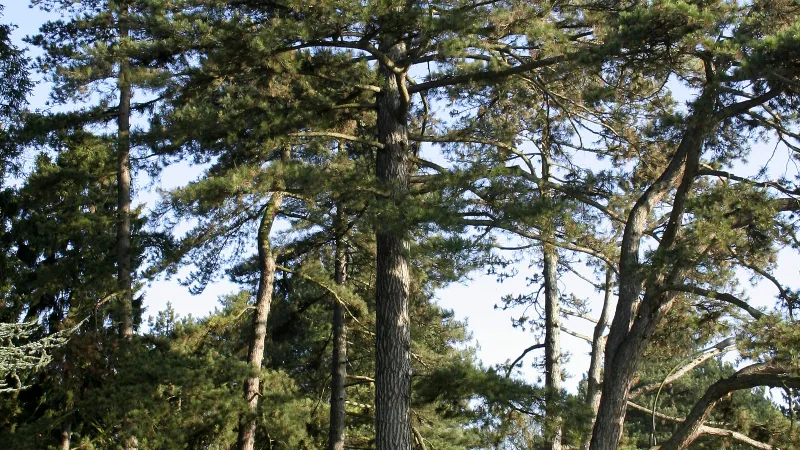 Grows commercially in Europe
Pinus nigra
Pino negro
A pale timber from a dark tree. Works like Scots Pine, stays lighter with age, and moves less than any pine here.
Dureza
Bastante blanda
Estabilidad
Estable
Trabajo
Fácil
Referencia
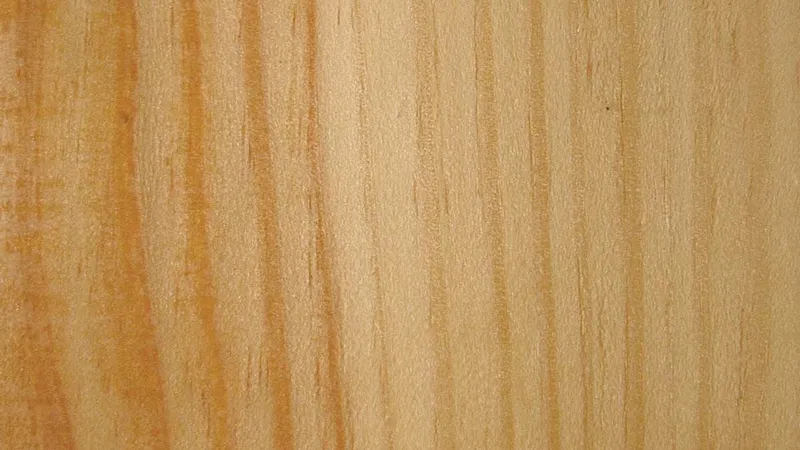 Grows commercially in Europe
Pinus sylvestris
Pino silvestre
The most widely distributed pine on earth and the most forgiving wood in this catalogue to build with. Soft, knotty, and it ambers into something far better than it starts as.
Dureza
Blanda
Estabilidad
Inquieta
Trabajo
Fácil
Referencia
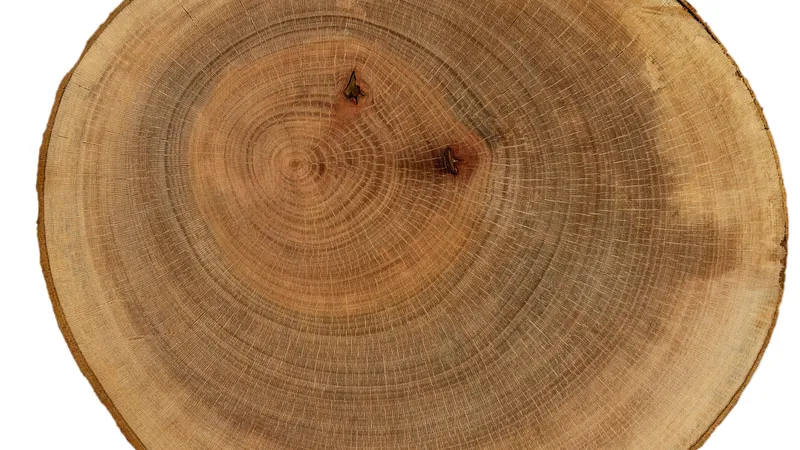 Grows commercially in Europe
Platanus × acerifolia
Plátano de Londres
Quartersawn London Plane reveals lacewood: large medullary rays catch the light in dense, scaly flecks. The slab's signature, and its whole reason for being on this list.
Dureza
Semidura
Estabilidad
Mucho movimiento
Trabajo
Moderada
Referencia
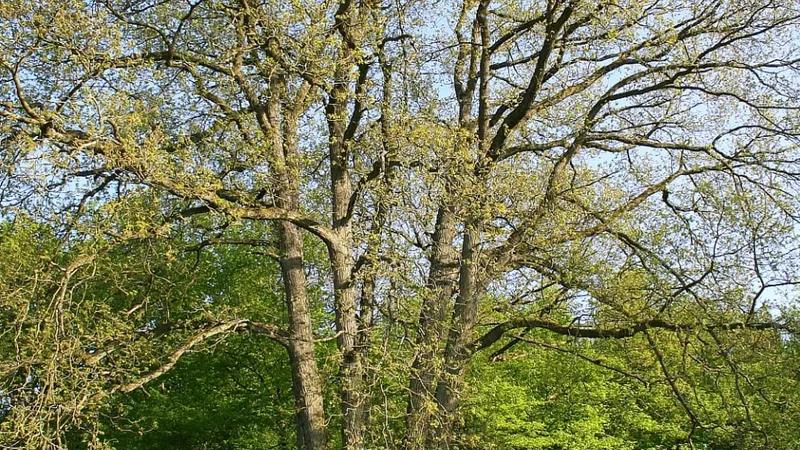 Grows commercially in Europe
Quercus petraea
Roble albar
The other European oak. Sold beside Quercus robur without distinction, straighter grown, and slightly the better board for long clean lengths.
Dureza
Semidura
Estabilidad
Inquieta
Trabajo
Moderada
Referencia
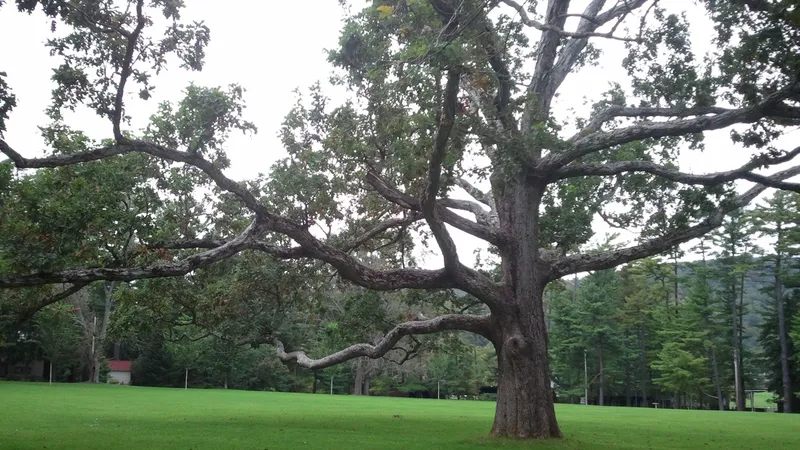
Quercus alba
Roble blanco
American white oak (Quercus alba) is a closed-pore hardwood with straight grain, coarse texture, and one of the best steam-bending records of any commercial species.
Dureza
Dura
Estabilidad
Mucho movimiento
Trabajo
Moderada
Referencia
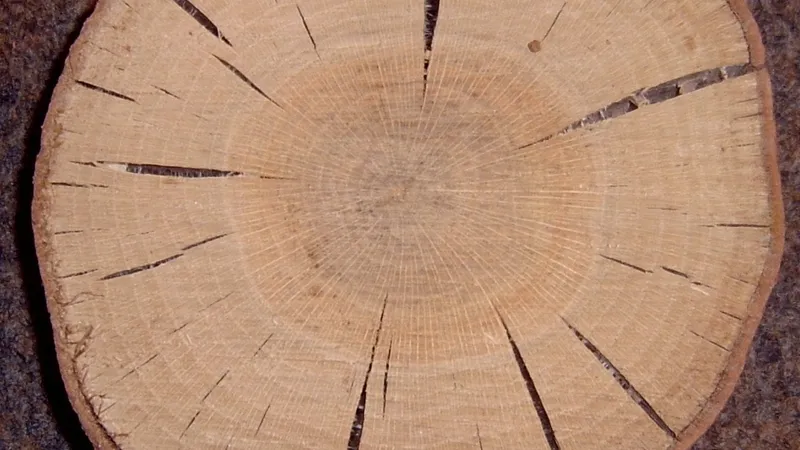
Quercus rubra
Roble rojo
Harder than European oak and cheaper, with pores open enough to blow air through. An interior wood, and only an interior wood.
Dureza
Semidura
Estabilidad
Inquieta
Trabajo
Moderada
Referencia
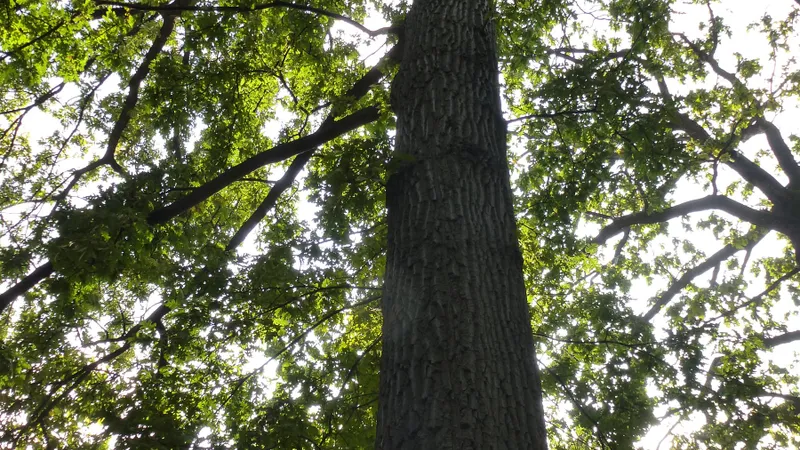 Grows commercially in Europe
Quercus cerris
Roble turco
Harder than European oak and considerably cheaper, for one reason: it is difficult to dry. Buy it already stable and it is a bargain.
Dureza
Semidura
Estabilidad
Mucho movimiento
Trabajo
Moderada
Referencia
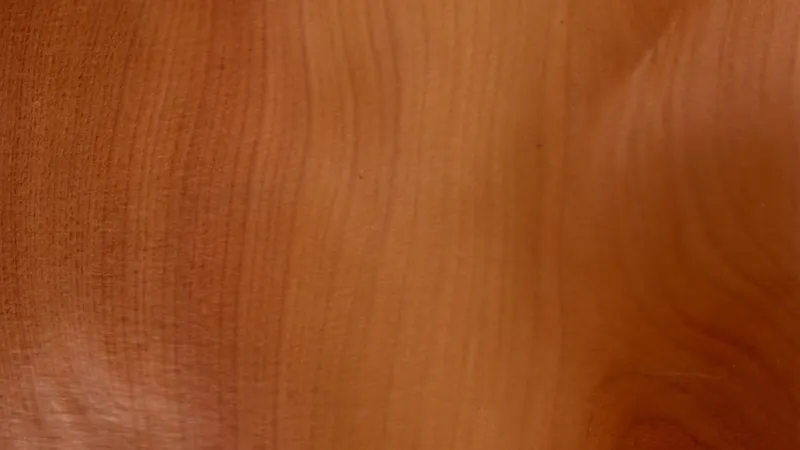 Grows commercially in Europe
Taxus baccata
Tejo europeo
Rare, culturally significant, and exceptionally durable. Dramatic orange-red heartwood against cream sapwood, and the wood of the English longbow.
Dureza
Dura
Estabilidad
Muy estable
Trabajo
Fácil
Referencia
Dureza frente a estabilidad
Todas las especies en un gráfico. Cuanto más a la derecha, mayor dureza; cuanto más arriba, menos movimiento estacional. Los puntos rellenos indican piezas en stock.
- En stock
- Solo referencia